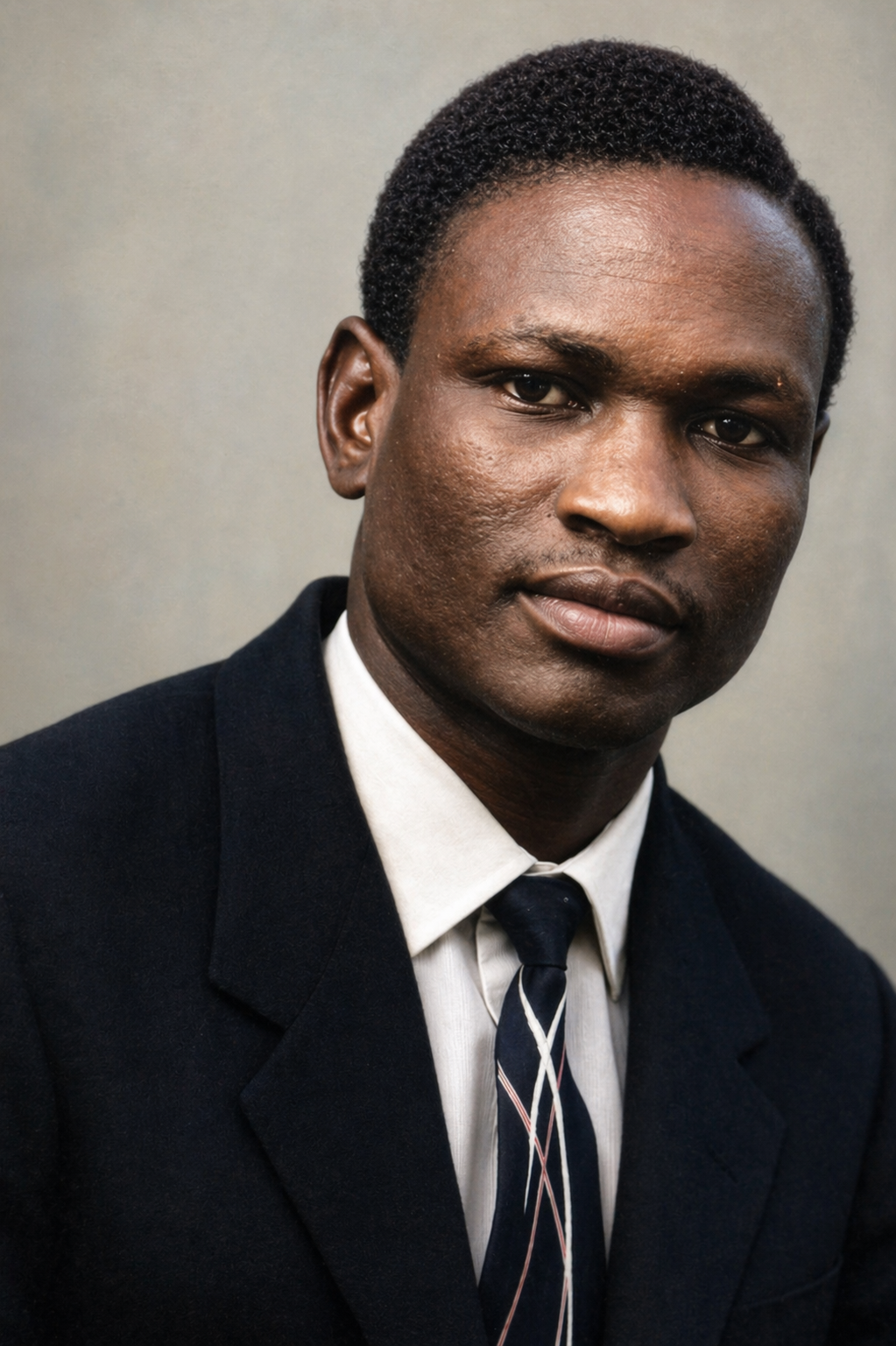
Peter Ani Nwomeh was born in 1930 into the illustrious Nwomeh family of Chukwu Igwe Nwannaji, of the Umunnajinwude clan in Umuoha, Umuokorouba Ozara — later anglicised to Ozalla. His mother was Udeji Aninnaji Ogbodo of Umuiba, Obuofia-Awkunanaw. The year of his birth coincided with the passing of Chief Chukwuani Nwangwu, the Warrant Chief of Ozalla and Paramount Ruler of Nkanu — a moment of significance in local history.
The Nwomeh family's lineage traced back to the patriarch Nnaji Nwude, whose four sons were Igwe Nwannaji, Ani Nwannaji, Ude Nwannaji and Ujam Nwude (nke-nta). Peter's grandfather, Igwe Nwannaji, in turn had four sons of his own: Chukwu Igwe (Peter's father), Nwani Igwe, Ekenta Igwe and Owoachime.
Peter's father Chukwu Igwe was renowned as an exceptional farmer. A telling anecdote reveals his dedication: when colonial law enforcers came to arrest him, he pleaded with them to allow him to finish making his ridges before being taken away. During the time of Chief Chukwuani — who had decreed that any man of Umuokorouba could claim whatever portion of communal land he could till in the northeastern boundary with Obuofia-Akegbe — Chukwu Igwe's stamina, working from dawn to dusk, made him one of the greatest landowners of his time, accumulating vast holdings at the present old Four Corners and the Egu Azu-agbo / Ogbe lowlands.
His father's generosity during a season of hardship — when he hosted a feast for the entire Okorouba community from his abundant food stores — earned him the nickname Omenuko-eku. By Igbo custom, Peter became known as Nwa-Omenuko ("child of Omenuko"). When he enrolled in school, the British teacher anglicised his surname to Nwomeh, the version they could easily pronounce.
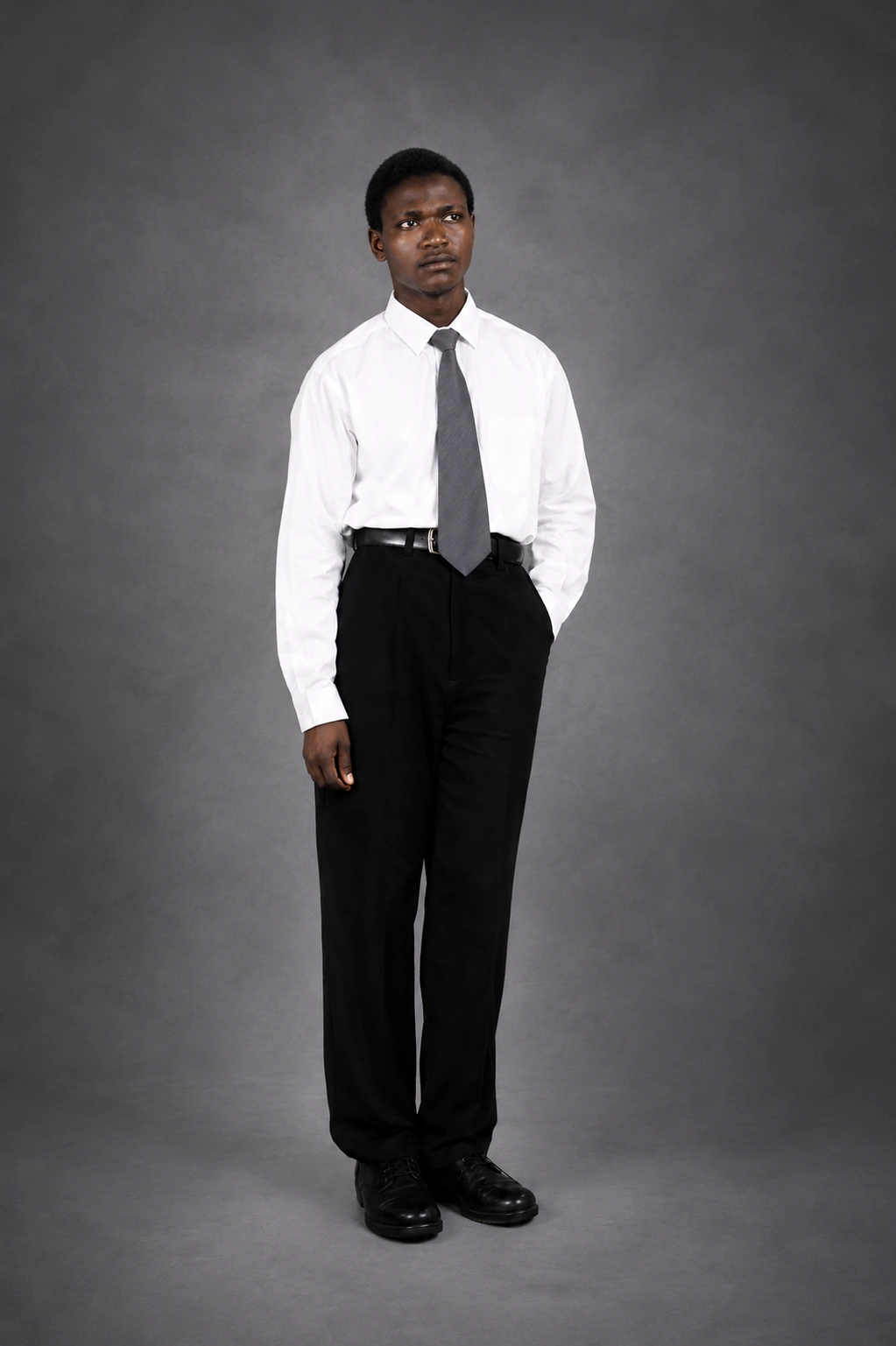
Peter's journey to academic brilliance began with a foundation deeply rooted in the soil of his family's farming tradition. As a young boy, he exemplified the industriousness of his father — working tirelessly in the field, from cockcrow to sunrise before going to school, and returning to farm work in the evenings. Even amid the rigours of agriculture he carried his books with him, using every spare moment to study, and after his father's death he paid his own way through primary school. The discipline cultivated in those early years would lay the groundwork for everything that followed.
When Peter finally enrolled at St. Paul's Catholic Primary School, Ozalla in 1949, his exceptional intelligence was immediately apparent. According to his kinsman and close associate Chief Mathias Nzekwe Onovo — who enrolled the same day as Peter — the school headmaster Mr. Phillip Ene recognised Peter's advanced age and intelligence and allowed him to skip both Infant 1 and Infant 2. The acceleration was unprecedented: he spent only one week in Standard 1, one month in Standard 2, before being promoted to Standard 3, where his ability better matched the curriculum. Despite this, he came first in the Standard 3 examinations by a significant margin.
Within just one year of arrival, his academic prowess had made him famous among fellow pupils and teachers, his reputation spreading throughout the town and beyond. People said of him that he "licked exams like soup." The school authorities, however, decided he should spend the standard one year each on Standards 4, 5, and 6.
By the time Peter reached Standard 6 in 1952, the seeds he had sown bore fruit. He earned a distinction and the highest grade-point average in the entire Onitsha Ecclesiastical Province of the Catholic Church — which encompassed the present South-East and parts of the South-South and North Central regions. The achievement was crowned by an unprecedented 97% in Christian Religion, a feat that had never been recorded in the province's history.
The Catholic authorities, deeply impressed, took an unprecedented step: a delegation led by Rev. Fr. Kelley travelled to his rural community to formally present the results. The event at St. Paul's Primary School became the stuff of legend. Fr. Kelley enthusiastically announced Peter's accomplishments to a special assembly, presented him with a prized Holy Bible, and led him in inspecting a ceremonial guard of honour formed by the pupils. As a final tribute, the priest declared a one-day holiday for all Catholic primary schools in Ozalla in Peter's honour.
Peter's name entered the local lexicon as a symbol of diligence and brilliance — children seen studying hard were nicknamed "Peter Nwomeh," sometimes in encouragement, sometimes in jest. He himself developed a deep affinity for Mathematics and Physics, finding in them the essence of universal order, symmetry and harmony.
Peter's journey into the teaching profession was fuelled by what he himself called his first love. His exceptional Standard 6 performance earned him a prestigious four-year scholarship to St. Charles College, Onitsha — the leading teacher-training institution in the province, established in 1928. Most students entered such colleges only after serving as Pupil Teachers; Peter bypassed this customary requirement entirely.
At St. Charles he studied alongside notable peers including Jacob Agu and Stephen Nwani of Amigbo (admitted 1950), Pius Nnamani of Obuofia (1954), and Francis Onyia of Obeagwu (1955). His time at the college culminated in the coveted Teacher's Grade Two Certificate. Chief Onovo vividly recalls that while others were just completing Standard 6 in 1956, Peter had already finished his teacher training — a measure of the gap between him and his peers.
After graduating, Peter began his teaching career as a Class 4 teacher at St. John's Primary School, Agbani. Over the next six years he taught at several Catholic-owned primary schools across Nkanu Division: St. Paul's Ozalla, St. Francis Akegbe-Ugwu, Sacred Heart Akpugo, St. Peter's Nomeh and St. John's Mburubu. Despite a mild stammer, his dedication never wavered.
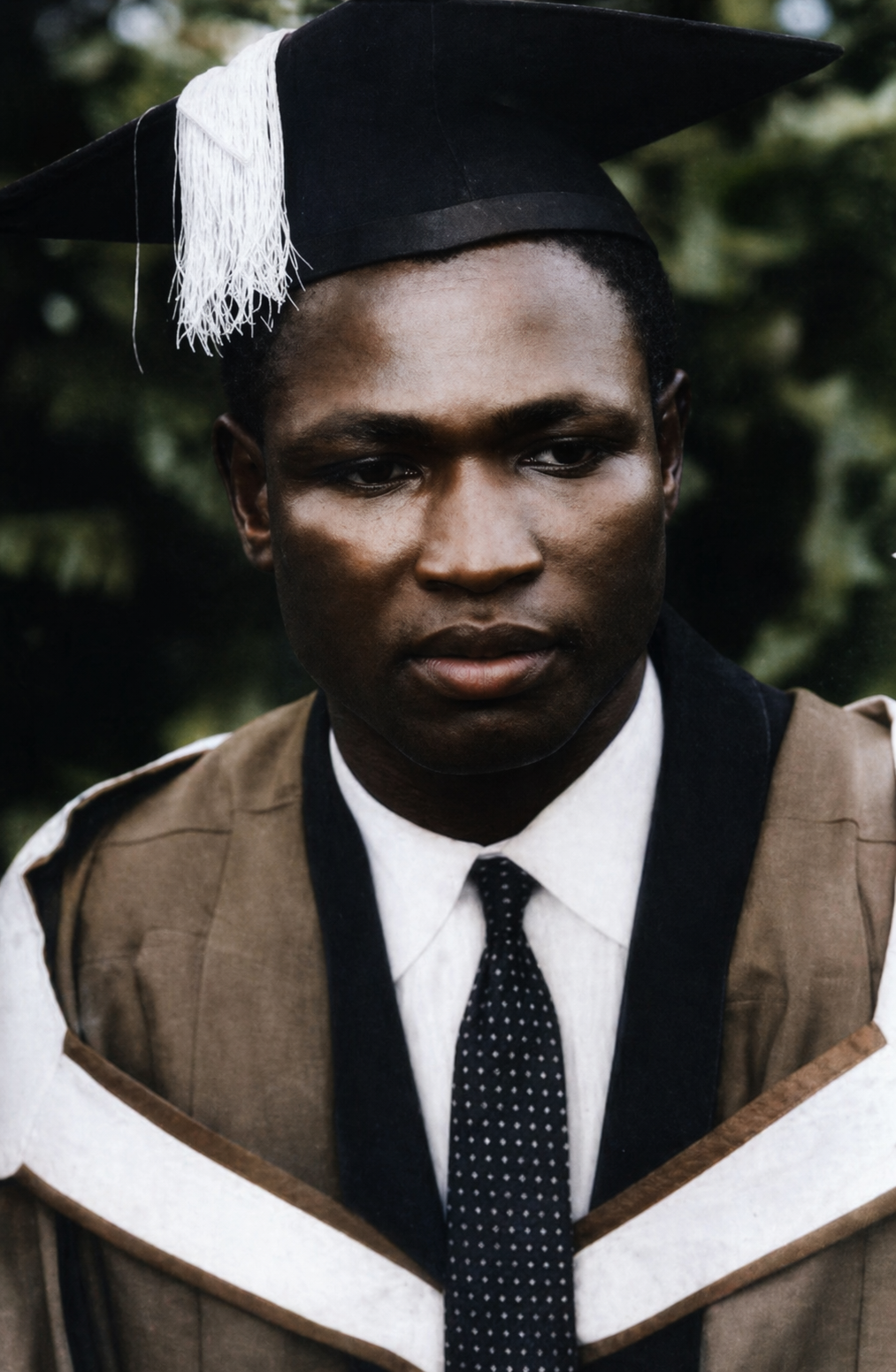
In that era, Standard 6 was widely regarded as the highest attainable level of education in Nkanu. Secondary education was a rarity, limited by cost and scarcity of institutions. The College of the Immaculate Conception (CIC) Enugu, founded in 1944 by the Roman Catholic Mission, and Queens School Enugu, established by the colonial government in 1954, were the only secondary schools in the Enugu area. Other prominent schools — Christ the King College and Dennis Memorial Grammar School in Onitsha, Methodist High School Uzoakoli, Government College Umuahia — were geographically distant and financially out of reach for most families. For many, university education was simply unthinkable.
Peter's aspirations soared higher. He embraced the extraordinary challenge of preparing independently for the General Certificate of Education (GCE) Ordinary Level — an undertaking that typically required a secondary school background. Through rigorous self-study, he passed all eight subjects, including the sciences. His outstanding performance qualified him to sit for the entrance examination to Government College, Umuahia, where he achieved the highest score at the Enugu centre — only to be denied admission for exceeding the age limit of thirteen.
Undeterred, he enrolled in correspondence courses through the renowned Wolsey Hall to prepare for the GCE Advanced Level in Pure and Applied Mathematics. His plans to study Biology and Physics were hindered by the lack of facilities for practical examinations, but his self-discipline carried him through both mathematics subjects.
This earned him direct admission to read Physics at the University of Nigeria, Nsukka in 1963 — as part of the university's fourth cohort since its founding in 1960. His village, Umuokorouba, rallied to support his education with contributions, supplemented by sponsorship from Chief John Igwesi of Obuofia and a scholarship from the local divisional authority. Peter worked on the farm during holidays to make up the rest.
Before him, only two individuals from Ozalla had ever graduated from university: Chief Clifford Nwafor Chukwuani (the first Nkanu graduate and lawyer) and Justice Franklin Chukwuani. Mr. Godwin Udeh of Umungwu — the first non-British Classics teacher at CIC Enugu, almost certain to be the third — had tragically died in 1952. When Peter graduated in 1966 with second-class honours in Physics, he became the third university graduate from Ozalla, achieving this during the political turmoil that followed the coups of January and July 1966 and the pogroms that led into the Nigerian Civil War.
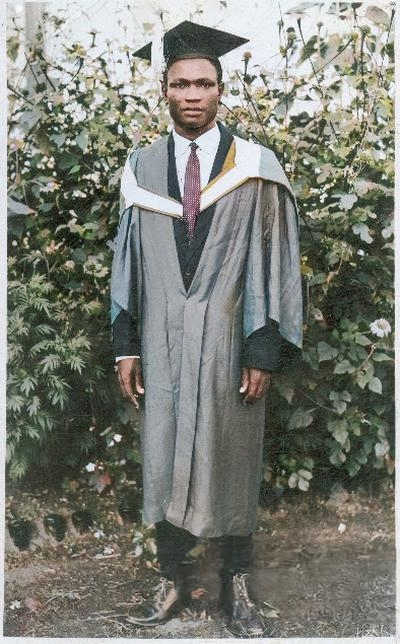
Immediately after his final degree examinations, while awaiting results, Peter resumed teaching — first as head of the science department at the National Grammar School, Nike, Enugu, and then at the Apostolic Christian Grammar School in Aba. His family joined him in Aba, and on 1 April 1967 they welcomed their third child, Ijeoma — "Nwa Aba." Three months later, on 6 July 1967, the Nigerian Civil War erupted.
He continued teaching until September 1968, when Aba came under intense artillery and air bombardment from federal forces. During one raid his residential quarters were hit; Peter and his family escaped unharmed. Forced to flee, he moved them to the school principal's residence and then back to Ozalla. Life there was equally precarious: by October 1968 the Biafran capital, Enugu, had fallen, and Ozalla soon followed. The family home was destroyed, leaving them stranded in enemy territory.
Peter fled with his family to his in-laws' home in Umuaniegu and later to Iyiozo, a secluded forest near Agbogugu. Many displaced Ozalla families took refuge in the dense forests; others sought safety in Egu Obodo and Njakwa, while Ozara Ugwu families went to Ituku. Peter brought several relatives along, including the widow and children of Okoronkwo Nze and his nephew Edozie. They lived in makeshift thatched tents, relying on the forest for sustenance.
One harrowing day a bullet struck the spot where Peter's young son Ben had been sitting moments after he had toddled away. Peter's mother made the long walk through forest paths to her birthplace at Umuiba-Obuofia and found life there strikingly normal — men farming, women making clay pots — seemingly untouched by the chaos. Strategic disinterest by federal troops, or quiet trade with Hausa middlemen, had kept the area stable. Whatever the reason, she returned at once and led the family there for safety. They were warmly received by Peter's maternal uncle, Chief Nnaji Ani Nnaji.
Peter's name reportedly appeared on the federal authorities' wanted list after Enugu fell — locals feared the list meant execution, unaware that the federal government in fact sought skilled individuals for administrative roles. By 1969, with the war nearing its end, Peter was conscripted into the Ukpabi Asika administration and took a senior role in the Ministry of Education in Enugu, serving as Commissioner II in the school board, second to Commissioner I Mr. Molokwu.
His wife, pregnant with twins, attended antenatal care at the Umueze refugee camp. When Red Cross health workers discovered she was expecting twins, they detained her, fearing they might be harmed — twins were still taboo in Obuofia. Peter ensured their safety, naming the boys Ndubuisi ("life is paramount") and Osondu, short for Osondu agwu ike ("one never tires of seeking safety") — names that captured the moment exactly.
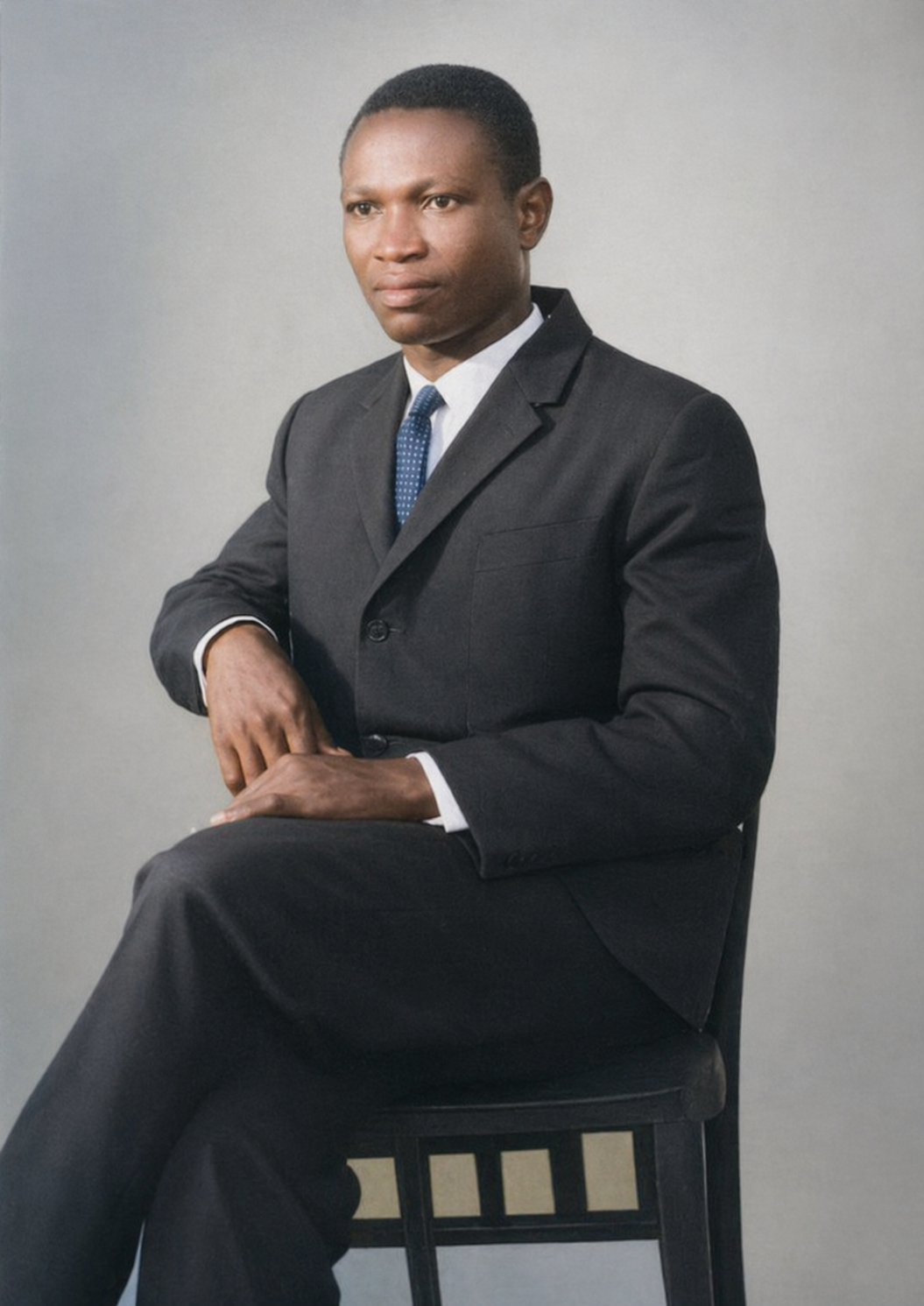
Peter married his wife, Margaret, traditionally in 1958, and they celebrated their church wedding on 24 June 1962. Margaret often fondly recalled the story of their first meeting. At the time Peter was teaching at St. John's Primary School in Agbani; Margaret Nebechi Okonkwo, then a young girl in Standard 3, attended a Mary League meeting at St. John's Church, Agbani, where the priest addressed the attendees. During a playful moment with her friend Florence Nwafor Agu (later married and settled in Agbogugu), Peter approached Margaret and asked which town she was from. Their next encounter came at St. Paul's Church in Ozalla, where Margaret had gone for confession; this time he asked about her parents.
He sent his senior relative, Chief Nweke Odionu, to locate her family at Umuaniegu, and shortly thereafter formally asked for her hand in marriage. Margaret consented. Traditional negotiations progressed swiftly, leading to a formal betrothal — ikuwa nwaanyi — at which Margaret was just eleven, having been born in 1947. She remained with her parents to continue her schooling, visiting Peter's home only during the holidays. On 24 June 1962 the couple solemnised their union in the Catholic Church.
Their first child, Angela, was born on 1 April 1963, just months before Peter began his studies at the University of Nigeria, Nsukka. During his undergraduate years their second child, Ben, arrived on 3 March 1965.
Peter was an all-rounder, but his particular love was mathematics — and the order, symmetry and harmony he saw in the universe extended into his daily life. He was meticulously organised. (The methodical nature stood in amusing contrast to his sometimes dishevelled appearance — he often lacked time to comb his hair or tuck in his shirt.) He kept a personal library and a meticulous diary recording daily community events, including births in his kindred during a time when official records were not maintained.
When his own children arrived, he gave them baptismal names in alphabetical order, A to E: Angela, Benedict, Callista, Daniel and Edward. Either by careful planning or remarkable coincidence, his two daughters were both born on the 1st of April, six days apart from the twins Dan and Eddy who arrived on the 6th of April; Ben was the exception, born on the 3rd of March. His family album contained detailed birth information for each child arranged by birth order — each page beginning with both the baptismal and Ozalla names, followed by a baby portrait, birth date and location, birthweight, and many other details. To his family's amazement, he had even prepared a sixth page bearing the name "Francis or Francisca," anticipating a child he hoped would arrive in March or April 1971, had he lived.
He commanded tremendous respect among the young men of his clan, who regarded him with near-reverence. Parents brought their disobedient school children to him for appropriate punishment. He never compromised his Catholic faith, even when most of his community followed traditional religion. A famous story in Umuoha tells of his refusal to perform the iru ekwa baby-shower ceremony — the custom held that without it, the first child would not survive, and no one had dared resist. Peter, after what appeared to be a deadlock, hosted a lavish celebration for his Umuoha clan on his own terms; in the abundance of food and drink, the merry-makers waived the crucial iwa ihe and ije egeekwa portions of the rite. Tradition adapted, faith intact.
Peter actively participated in communal affairs, serving as Secretary of both Umuoha lineage and Umuokorouba, while playing prominent roles in Ozalla meetings. He encouraged friends and relatives to pursue education, supporting some financially, and at each teaching post he brought along relatives whom he enrolled in school. Among those who stayed with him at various times were Emmanuel Nwadoma, Nwabueze Nweke, Paul Ekenta, Raphael Nwanigwe and his great friend Mathias Onovo. While Peter was at university, Mathias and Cyril Nwibe (whose mother Oba Ngene and Peter's mother Udeji were cousins at Umuiba-Obuofia) helped support his family.
Before the family settled in Enugu around June 1969, Peter had already been conscripted into the administration of the newly formed East Central State, led by Mr. Ukpabi Asika. As a senior official in the Ministry of Education, he was tasked with planning the restoration of education services, preparing the Igbo people for reintegration into a united Nigeria.
In late 1969, however, tragedy struck. While riding in the back seat of a Range Rover driven by his neighbour Mr. Willy — a Yoruba man and co-resident on Alderton Road in the GRA, Enugu — Peter fell out of the vehicle at the Enugu Prisons roundabout. The door had not been securely locked. Initially he seemed relatively unharmed, and it took some time before he realised he had sustained an injury at the back of his neck. Even longer still, an X-ray revealed the truth: a partial tear in his spinal cord.
Despite the severity, Peter continued his routine activities, unaware of the gravity of his condition. What could have been a recoverable injury — requiring immobilisation of his neck and spine for several weeks — worsened with continued movement, converting the partial tear into a complete spinal-cord injury. The damage, at a high spinal level, resulted in progressive paralysis of his arms and legs, ultimately leaving him quadriplegic. He was confined to a wheelchair and began treatment at the Specialist Hospital in Enugu, later known as the University of Nigeria Teaching Hospital (UNTH).
While recovering, Peter received an offer of a scholarship from a Russian university — for a doctorate in Physics, or possibly a degree in medicine — which he had hoped to accept once he regained his health. His condition deteriorated further due to complications from paralysis, and he was eventually transferred to the University College Hospital, Ibadan; the trip was funded by the government, and the Commanding Officer of the Army Division in Enugu personally signed the flight tickets — a testament to Peter's esteemed position.
At Ibadan he received visits from his friend Chief Mathias Onovo, his nephew Mathew Nwobodo, and his fellow son-in-law Chief Emmanuel Onyia Okereke (Orabuike). On 12 March 1970, just a few weeks shy of his fortieth birthday, Peter passed away. His death, coming so soon after the civil war, was a devastating loss for a community already reeling from its scars. He was survived by his wife Margaret, then only 23, and their children — Angela (7), Ben (5), Ijeoma (3), and the twins Dan and Eddy (11 months) — along with his aged mother Udeji and his sisters Nwanneche and Nweke.
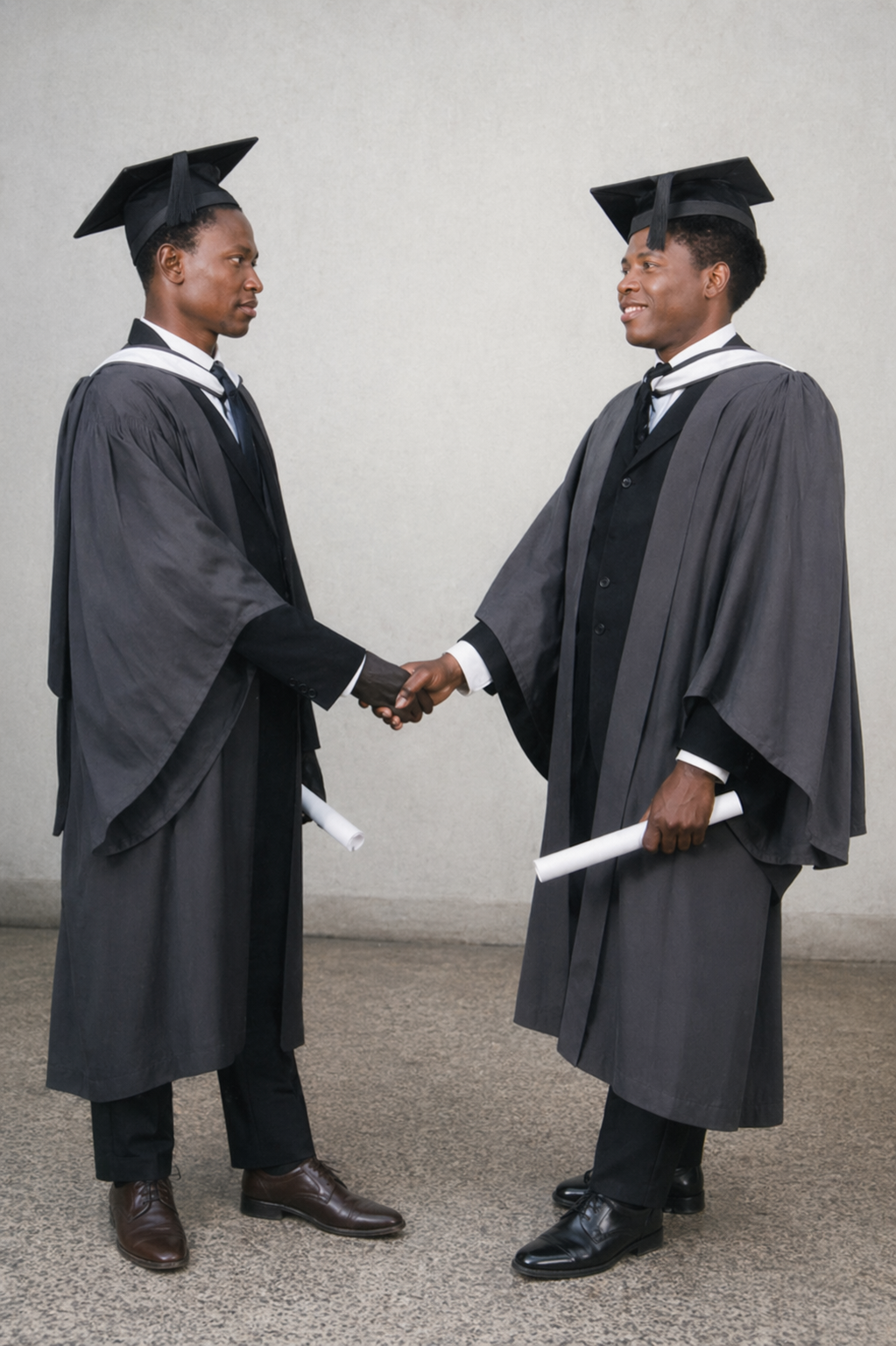
Peter's enduring legacy lies in the inspiration he provided to the children and youth of his community, encouraging them to strive for the highest levels of educational attainment. At home he had established a lesson centre, tutoring Umuoha boys in primary school during afternoons and evenings; beneficiaries included Mathias Onovo, the late Dennis Okonkwo, Christopher Ogbuebor, James Nweke and Francis Ujam. Throughout his teaching career he persuaded many relatives and friends to pursue education, offering financial support, books and other materials, and bringing some to live with his family at his various teaching posts.
His aspirations extended beyond his community: he dreamed of providing his children, relatives and friends the opportunity to reach the pinnacle of academic success, and made personal commitments to sponsor several through their education. Notably, Peter championed women's education at a time and in an environment where it was not widely encouraged. He ensured his future wife's primary schooling was uninterrupted and envisioned higher education for her — a dream disrupted first by the civil war and later by his untimely death. In his diaries, Peter made his vision for his children clear: all of them, including his two daughters, were to receive the best education possible.
Peter's children vividly recall his influence. Angela cherishes memories of his guidance; Ben remembers him as a strict disciplinarian who never spared the rod when it came to learning. One formative experience for Ben was during kindergarten, when Peter — even while wheelchair-bound — personally supervised his homework: a wrong answer would earn an immediate lash, repeated until Ben finally worked out the correct solution. In his final months, unable to use his limbs, Peter still managed to discipline his children by proxy, directing others to carry out the necessary corrections on his behalf.
Peter's friends and associates also played crucial roles in fulfilling his wishes. Donatus Udeigwe taught his children at St. Paul's Primary School. Chief John Igwesi kept a close watch over Ben, who, with Angela, visited him during every school vacation. When Ben — discouraged by financial challenges after high school in 1980 — expressed doubts about university, Chief Igwesi urged him to take the JAMB entrance exams and provided the ten naira needed for the application forms. "The only task before you, young man, is to pass your exams; leave others to worry about the cost," he told the fourteen-year-old.
Despite these reassurances, Ben initially sought clerical work after high school. Fate intervened when he met Mr. Ugwu Nwafor Ujam, then Head of the Anambra State Civil Service. On learning of his lineage, Mr. Ujam rebuked his mother for attempting to derail his education, declaring, "Over my dead body would I allow Peter's son to become a clerk." Months later, with financial support from relatives and family friends, Ben left to study medicine at the University of Lagos. Inspired by his father's diary and vision for academic excellence, he embraced the challenge and has since become a successful academic surgeon, a professor of paediatric surgery, and a globally recognised leader in surgical education.
All five of Peter's children have achieved postgraduate degrees, a testament to his vision. The intellectual tradition cultivated by his family has inspired many young people in their community to value and pursue higher education; numerous individuals have credited the Nwomeh children as a source of motivation for their own academic achievements.
To honour his memory and sustain his legacy, the Nwomeh children, with the support of family and friends, established The Peter Nwomeh Foundation in 2014. In 2017, those residing in the United States formally incorporated The Peter Nwomeh Foundation USA. Following the passing of their mother in 2023, both foundations were renamed to honour both parents — Peter and Margaret. Through these platforms, the family continues to promote education and scholarship, creating opportunities for children in Ozalla, Nkanu, and beyond — ensuring that Peter's vision of empowering others through education endures.
Awarded annually to undergraduates from Ozalla, Nkanu West LGA, Enugu State. Each award covers tuition and a stipend, and continues until graduation, contingent on academic standing.