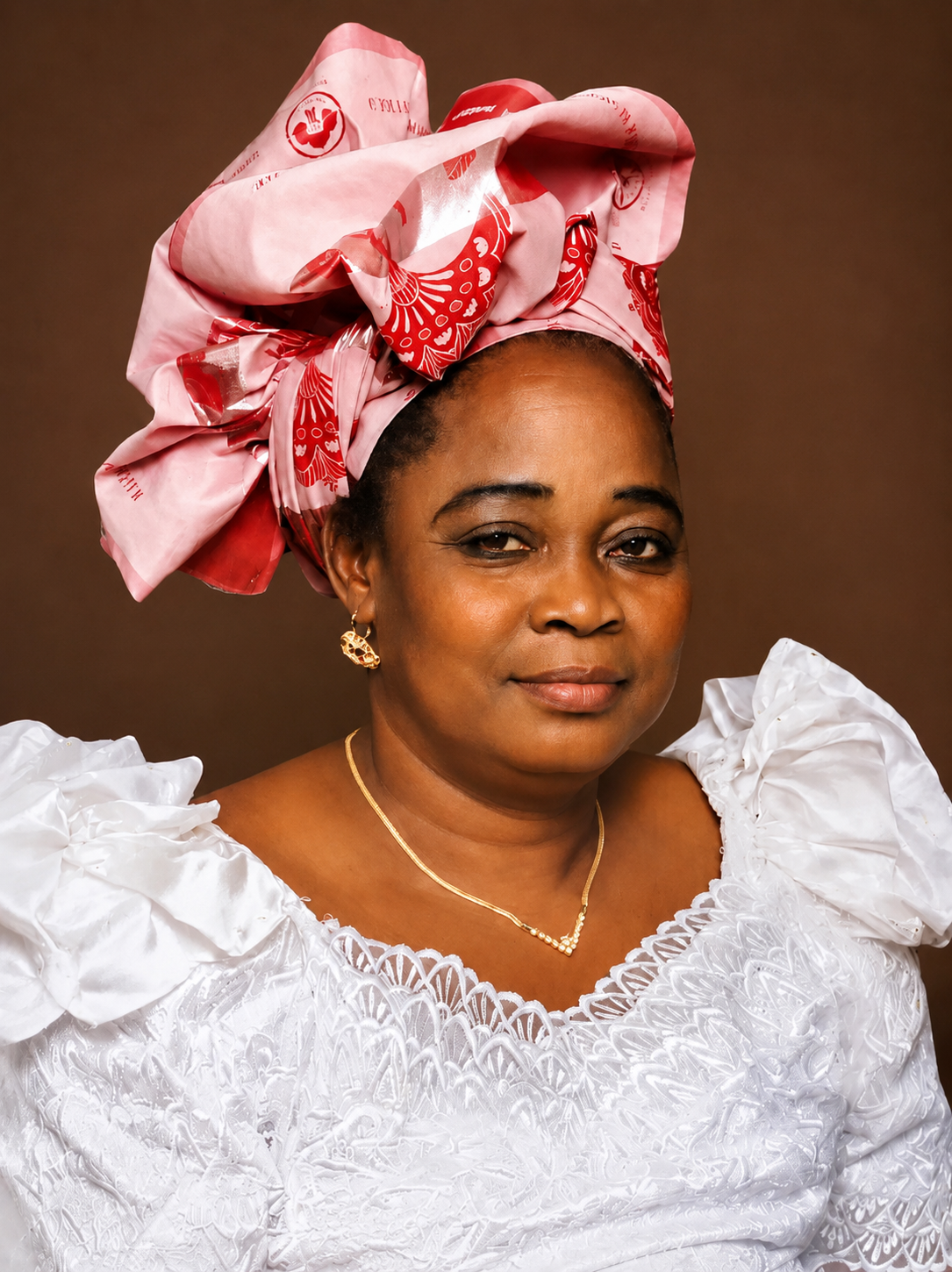
Ezinne Margaret Mary Nebechi Nwomeh was born on 1 January 1947 to Mr. Okonkwo Okereke and Mrs. Chikamso Nweze Okonkwo-Okereke in Umuonovo-Onyia, Umuaniegu, Obeagwu-Ozalla. In 1953, at the age of six, she became part of a transformative moment in her community's history. At the time, Chief Nwanze Ohaa of Umuohanee — a respected local leader and councilor representing the Obeagwu community — was leading an initiative to enroll young girls in school. The leaders of Ozalla, recognising the importance of girls' education, mandated the effort, setting the stage for a societal shift.
While Nebechi was living in Awka with one of her sisters, Chief Ohaa, acting on behalf of the elders, approached her father with a special request: to bring her back home so she could begin her education. This decision marked the beginning of her journey toward knowledge and empowerment, positioning her at the forefront of change in her community.
Upon returning home in December 1953, Nebechi began her formal education in 1954. That same year, she also started attending catechism classes at the Catholic Church, which oversaw the school. At the age of seven, she reached a significant spiritual milestone — she was baptised as Margaret, confirmed as Mary, and received her First Holy Communion. This was a remarkable achievement for someone so young, marking the beginning of her deep-rooted faith.
In 1955, she further embraced her Catholic devotion by joining the Mary League at St. John's Catholic Church in Agbani, where Rev. Father Raphael Eze served as the parish priest. The transformation was profound — Margaret had journeyed from an uneducated girl born into a pagan family to a bright, Christian pupil with a promising future. She regarded this change as a manifestation of divine grace, a revelation that solidified her commitment to her newfound faith. From that moment on, she vowed never to partake in traditional religious practices again.
Margaret was playing the 'oga' game at St. John's Agbani with her friend Florence Nwafor Agu (who later married at Agbogugu) when Mr. Peter Nwomeh, her future husband, showed up and inquired what town she hailed from and who her parents were. He subsequently enlisted the help of Chief Nweke Odionu, a senior relative, to discreetly locate her place in Umuaniagu and request her hand in marriage, to which she assented. Traditional negotiations followed quickly — but being only eleven, it was a betrothal, or 'ikuwa nwaanyi', as was customary at the time.
She returned to her parents' place from where she continued her schooling, visiting Peter's home only on holidays where she would accompany her would-be mother-in-law to the farm. Peter was a teacher who was posted to different schools in Nkanu, where he usually took along his younger male relatives whom he enrolled in school — among them Nwabueze Nweke and Raphael Nwanigwe — and Margaret would visit them during the holidays.
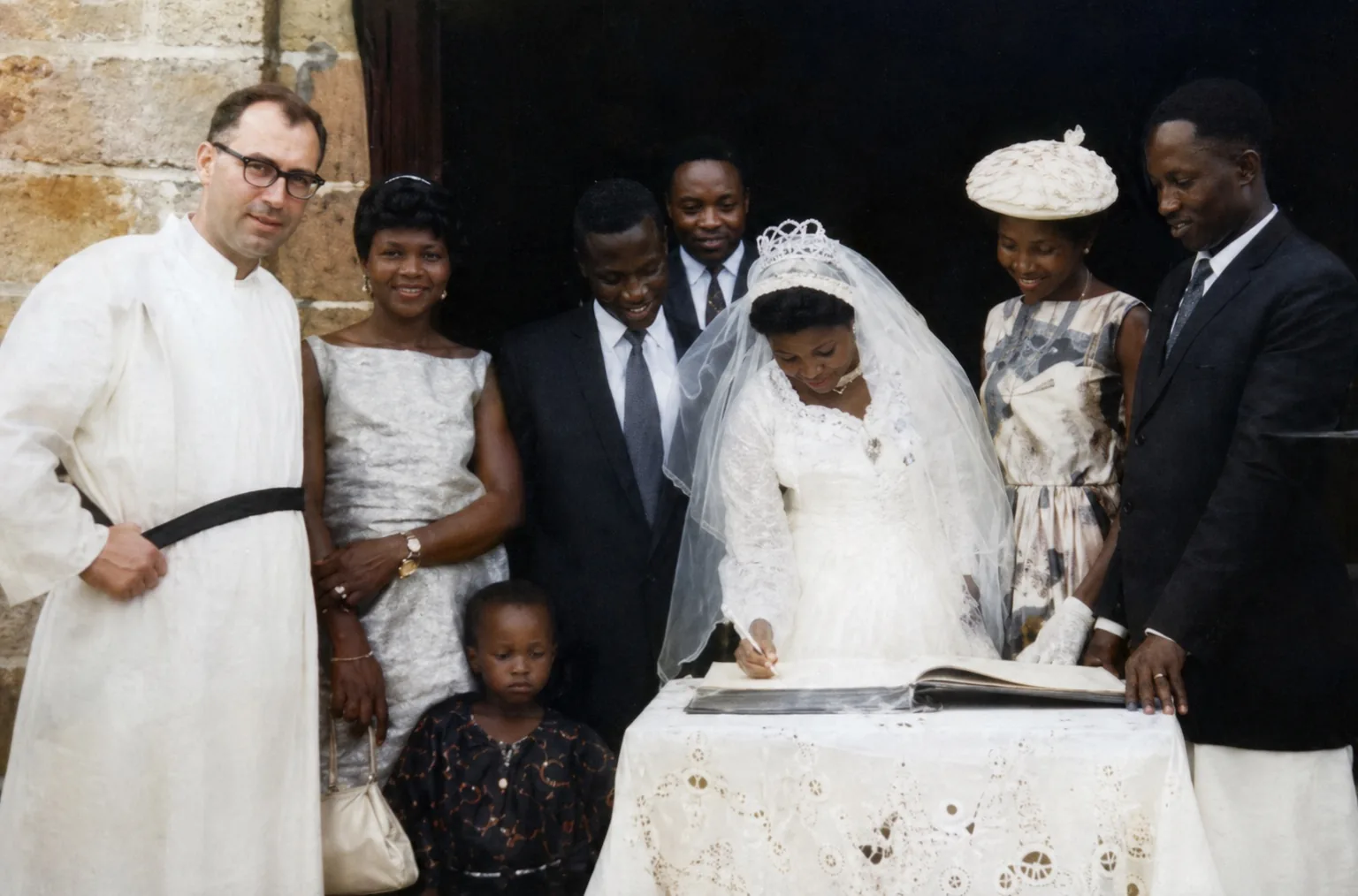
Mother would later recall with nostalgia her period of orientation for a proper Christian marriage. Peter took her to Mr. Isaac and Mrs. Victoria Isii of Eke in Udi LGA, then resident at Church Road in Asata Enugu, where she was groomed as a Christian housewife. Peter subsequently wedded her in the church on 24 June 1962 under Rev. Father Brenan. Their first baby, Angela Chinenye, arrived in April 1963 shortly before he left for the University of Nigeria, Nsukka, where he had been offered admission to study Physics. They had their second child, Benedict Chukwujekwu, two years later while he was still an undergraduate.
Her husband was one of the earliest graduates from Ozalla — indeed the third — and the very first to attend UNN. After graduating in 1966, Peter began teaching at National Grammar School in Nike. Peter's nephew, Bernard Chiedozie Ugwu, began to live with the family from this moment until the rest of Peter's life. Soon after, the family relocated to Aba, where Peter joined the Apostolic Christian Grammar School. Their third child, Calista Ijeoma — "Nwa Aba", as she was also called — was born in April 1967. While in labor at the General Hospital, Aba, her only son, Ben, was desperately ill with measles and was admitted to the same hospital. Thankfully, Mother, baby Ijeoma, and little Ben were soon released.
Regrettably, just three months later, the family's happiness was shattered as their lives were thrown into disarray by the outbreak of the Biafran-Nigerian Civil War on 6 July 1967. Shortly after that, Aba would endure relentless aerial bombardment, known as the infamous 'air raids'.
Despite the tense atmosphere, Peter remained dedicated to teaching, as the Biafran authorities worked tirelessly to maintain essential services, including education, for the people. After surviving a bomb that fell into their residence, they fled back to Ozalla — where another bomb attack forced them to seek safety at her maternal home. Obeagwu soon became a target of attacks, compelling the people to seek refuge in the Egu Obodo forest. They survived yet another bomb attack by the whiskers at Egu Obodo. A final incident during the harmattan season of 1968, in which a bullet narrowly missed four-year-old Ben, caused the family to flee again, this time to Obuofia.
While the family was taking refuge at Obuoffia, with her husband's maternal uncle Chief Nnaji Ani Nnaji, a prominent figure in the Umuiba clan, Margaret became pregnant for the fourth time. She attended the antenatal clinic at the Umueze refugee camp. In early 1969, her belly had grown to a large size, which prompted suspicion that she was carrying twins.
At that time, twins were still taboo in Obuofia, and the Red Cross medics feared they would be killed if she delivered at home. It was said that some Obuoffia natives were already anticipating and planning the sacrifice of the Nwomeh twins. The medics made the critical decision to detain her at the refugee camp clinic in Umueze for several weeks until she delivered the twins. One was named Daniel, Osondu — 'Osondu agwu ike', meaning one is never tired of running to safety. The other was named Edward, Ndubuisi — life is paramount. She would consider their escape from danger, and ultimate survival, a miracle.
The family returned to Four Corners, which was now more peaceful under federal occupation. Their time as refugees had come to an end. After spending approximately two months there, they moved on to Enugu, which had also fallen to federal troops.
In the months following the birth of the twins, Margaret's concern for her husband's safety grew more acute. As Biafrans, their family found themselves positioned on the 'wrong side' of the war, behind federal lines, with rumors circulating that the Biafran High Command actively sought him. Meanwhile, after the fall of Enugu, Peter's name reportedly appeared on the list of individuals wanted by the federal authorities. Amidst this tumult, pervasive fear gripped the community, with many fearing they were marked for execution, unaware of the Nigerian government's intention to enlist qualified individuals for governance. Consequently, Margaret resorted to hiding her husband under their bed to shield him from the prying eyes of both the Biafrans and the Nigerians.
In June 1969, Peter was drafted into the emerging administration of the East Central State, led by Mr. Ukpabi Asika, assuming the position of director in the Ministry of Education. As her husband assumed his new responsibilities — aimed at assisting the Igbo to prepare for reintegration into a unified Nigeria — Margaret dedicated herself to nurturing their five children, including the newly born twins.
One fateful day on his way to work in Enugu, Peter fell off a moving Land Rover and sustained a cervical spine injury. Although he received some medical attention, he remained without proper spine protection during the critical first few days after the injury. Things took a tragic turn as he developed progressive symptoms of complete high cervical spinal cord injury leading to quadriplegia — paralysis of both arms and legs. Despite receiving care at several hospitals, including being flown to University College Hospital (UCH), Ibadan, his condition worsened until his death on 12 March 1970. It was a catastrophic and shattering misfortune that crashed Margaret's entire world. A time of trauma, suffering, and hopelessness descended upon them. Margaret, and her five children, were compelled to leave their home on Walter Egerton Street, GRA, Enugu, and return to the village.
Back at home in Ozalla, she gradually gathered the pieces of her shattered life to confront the challenges of survival against all the odds stacked against a young widow, especially at the time. At 23 years old, Margaret and her five children — Angela (7), Ben (5), Ijeoma (3), and the twins (11 months) — were homeless. Their family house at Four Corners had been destroyed during the war by the rampaging Nigerian Army.
For two months, Peter's relative Chief Nwachukwu Ekenta graciously housed the stranded family at his family house in Four Corners. However, seeing her children crying inconsolably, he worried that they might not survive if she remained in the village without a job or trade to support them. He encouraged her to move to Enugu to fend for a living.
Margaret was a hardworking and resourceful woman who had never been satisfied with playing the docile role of a mere housewife to a successful husband. Her first acquired skill was sewing, which she used to support her family while her husband pursued his undergraduate studies. Subsequently, she ventured into trading, engaging in the buying and selling of food items. Moreover, Margaret began engaging in the trade of clay pots, under the guidance of her mother-in-law, Veronica Udeji Nwomeh.
Now with little option, she accepted Chief Ekenta's advice but could not immediately afford rent in Enugu. Help came from Chief Nwafonta Udeaniagu, who provided a room at Colony Quarters. Chief Udeaniagu also pulled his daughter, Mrs. Amuche Nwagbara, out of school so she could live with Margaret and help look after her children. This singular act of generosity and sacrifice allowed Margaret to step out and actively pursue a trade at the now sprawling Ogbete market.
With the help of Mark Ngene, a friend and UNN schoolmate of her late husband from Amechi Awkunanaw, Margaret acquired a shop at Ogbete market. There, she started selling akamu (pap) and later expanded to include various provisions and cosmetics. She operated alongside her husband's friends, Chief Mathias Onovo and Mr. Bernard Igwe.
In 1971, Margaret's father, Chief Okonkwo Okereke, rebuilt the Nwomeh family house that had been destroyed during the war. He built it with mud, plastered it with cement, and roofed it with corrugated iron sheets — "zinc", in local parlance. By this time, Margaret had difficulty making rent in Enugu and the family was a welcome relief. The small house had only three small rooms, although a tiny fourth annex would be added several years later.
In these first couple of years after the war, this house was one of the first to be rebuilt in the Umunnajinwude clan, and Margaret opened her doors to several families to share the rather small accommodation.
As everyone resettled in their compounds, they continued the gradual rehabilitation process during the post-war years. Various tenants — often teachers at Central School, Ozalla, including the well-known Mr. Mbaka of Ituku — gradually replaced them. A notable tenant, Mr. Alexander of Isu-Awaa, who operated a provision store in Four Corners, stood out. Upon his departure from Ozalla to his hometown, he persuaded a hesitant Margaret to let Ben accompany him to Isu-Awaa, where he could live with their family and attend Elementary Four. However, when Margaret visited a few weeks later, she was alarmed to find her son appearing miserable and falling behind in his schoolwork. She promptly brought him back to Ozalla, and would never take similar chances with her children again.
Eventually, Margaret's children would replace the mud house, providing her with better accommodation.
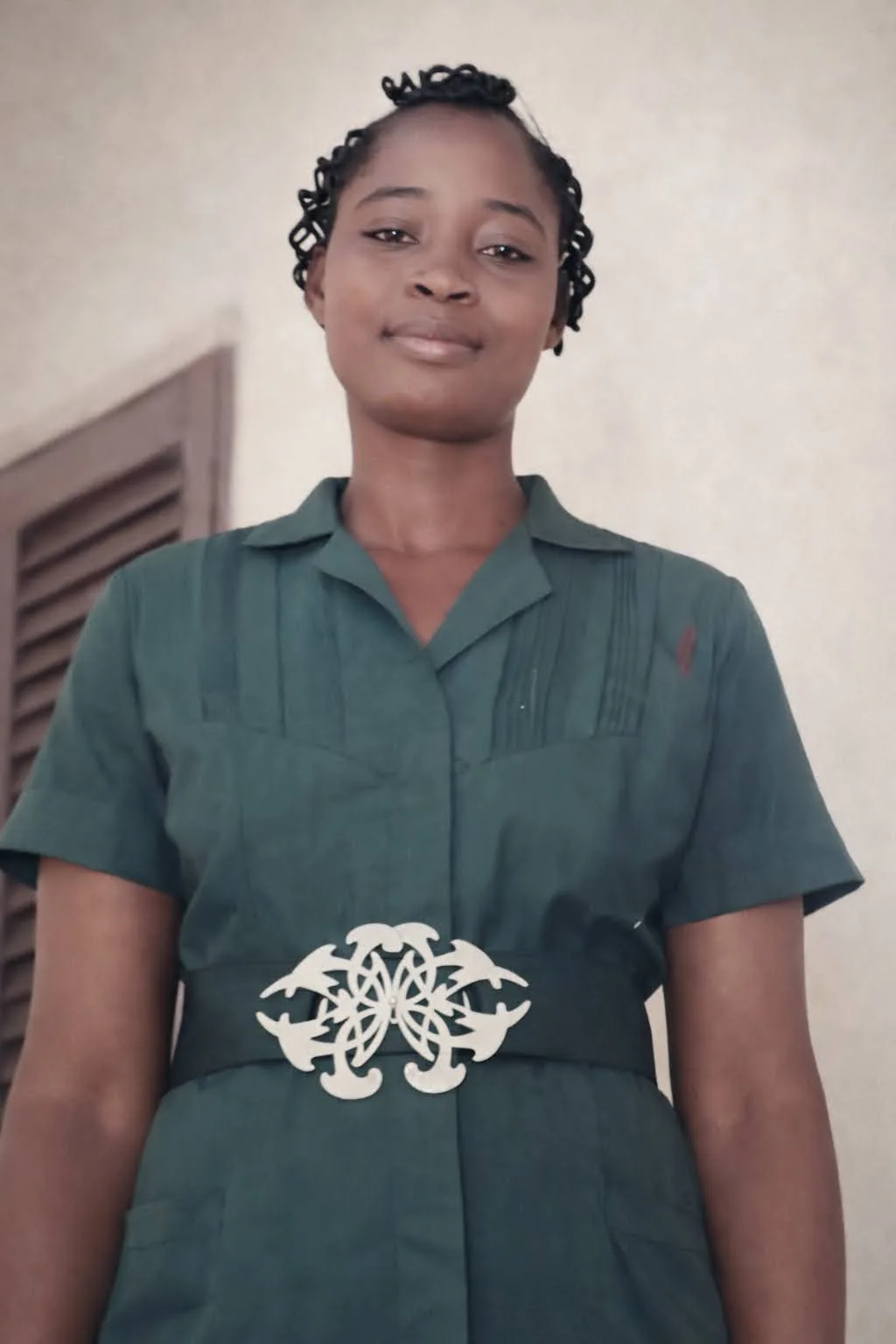
Upon resettling in Ozara, Margaret's circumstances improved when she was hired as a teacher at the intervention of Justice Frank Chukwuani in 1971. She combined teaching with helping her mother-in-law with farm work. However, a close friend of her husband, Mr. Pius Nnamani of Obuoffia, urged her to leave teaching and transition into the health professions. He believed that by doing so, she would acquire the necessary skills to address any health issues that might arise among her children.
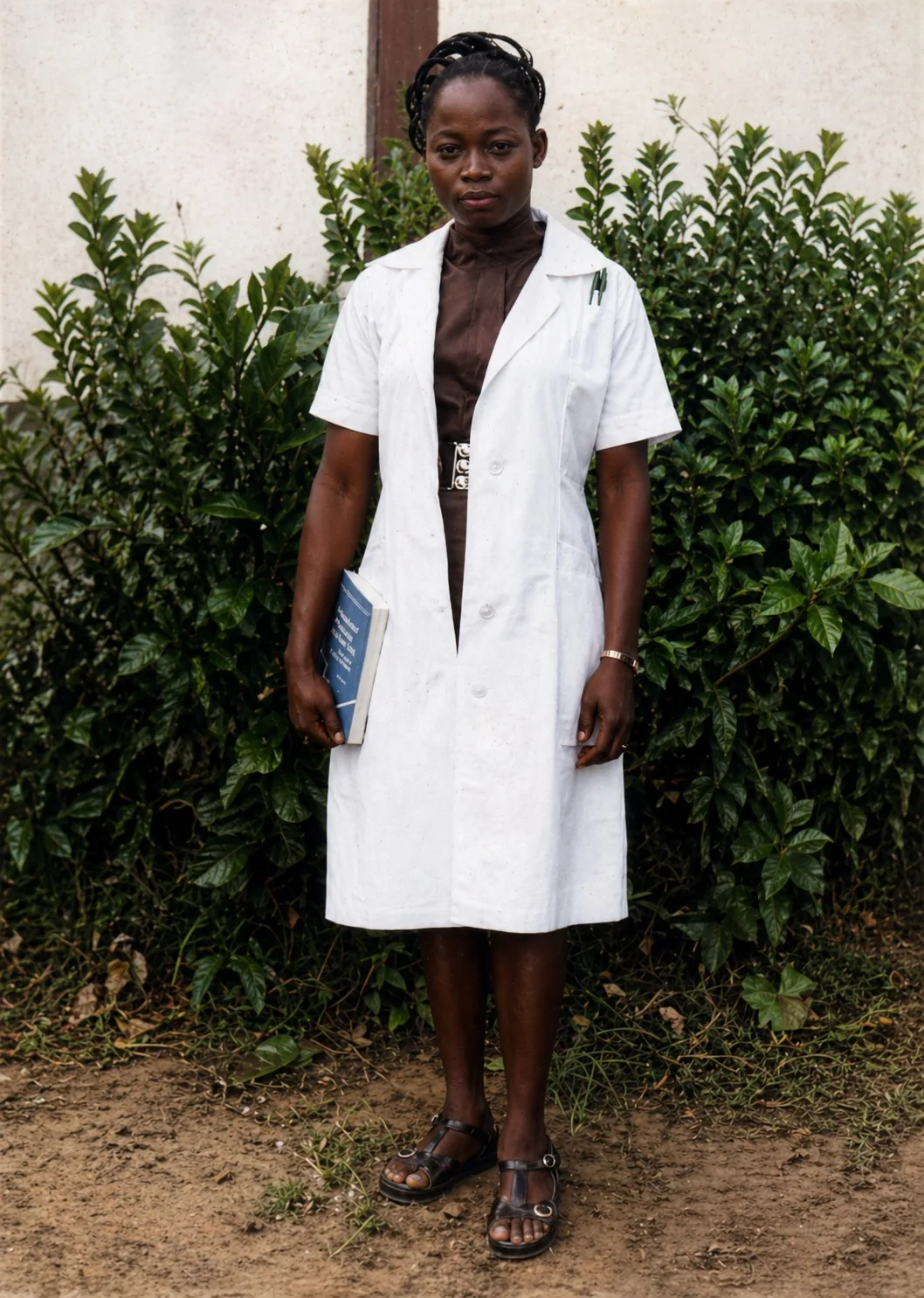
Another Obuoffia relative and friend of her husband, Chief John Igwesi, sponsored Margaret for a position as a 'Ward Maid' at the Maternity/Dispensary in Four Corners, Ozalla, opposite the Nwomeh family compound. Later she became a Nurse/Midwife and delivered hundreds of babies in the Ozalla community during her career and trained other midwives. Over her career, hundreds of families would troop to the Nwomeh family compound, where Nurse Margaret would treat many of their ailments, wounds, provide medications, administer injections, and comfort the afflicted.
In 1979, the Ozalla Health Center was incorporated into the Maternity ward as a Primary Health Care (PHC) center under a novel federal government program. Margaret joined the inaugural class of health workers recruited to train at the School of Health Technology, Oji River, to join the lowest cadre of workers as a Community Health Aide. Margaret derived profound satisfaction from the opportunity to resume her formal education — a privilege that life's circumstances had denied her for seventeen years. In 1982, she returned to Oji River for a two-year advanced officers training program. She had encouraged her maternal cousin, Mrs. Nkeiru Chinwetalu, to attend the school and become her coursemate; Mrs. Chinwetalu had become a beloved daughter and an integral part of their family.
Over the years, Mama ascended through the ranks, rising to a Community Health Assistant (CHA), and eventually retiring in 2007 as a Community Health Officer (CHO). Throughout her career, Mama dedicated herself to serving numerous communities in Nkanu, leaving a lasting impact on the lives of those she touched.
In his final moments, Peter cried to his wife with one regret: "Who will educate our children?" Yet, he may have underestimated her tenacity and determination. An early test came less than a year later when she attempted to enroll 5-year-old Ben into St. Paul's Elementary School, Ozalla.
The headmaster, a strict disciplinarian, was keen on following the rules that the minimum age for enrollment was six years and initially refused. Other than giving Ben a head start on education, Margaret had another, perhaps more important reason for wanting Ben to attend school early. After the war, schools served as distribution points for food provided by the Red Cross. Each student brought a dish to collect their share of the food. Margaret reckoned that having two children in school (Angela and Ben) would be a boon for the family. So, she pleaded with the headmaster and returned each day until he relented on the fourth day.
Peter had also instructed that all his children be given equal consideration in educational opportunity, regardless of gender. He had been outspoken in condemning the prevalent practice of denying education to women while prioritising the advancement of boys' careers during his era. Until the war and his untimely demise disrupted their plans, he had wholeheartedly intended to fulfill his commitment to support his wife in returning to school. Margaret steadfastly upheld these principles in raising her children.
The first test would come when Ben and Angela had to attend secondary school and Margaret could afford school fees for only one. Fortunately, Chief Francis Udeh, one of the children's uncles, generously paid for Ben's secondary education, while Margaret ensured her daughter's schooling. However, her commitment encountered an even greater challenge when Ben's ambition to attend university threatened to disrupt her support for his siblings' education.
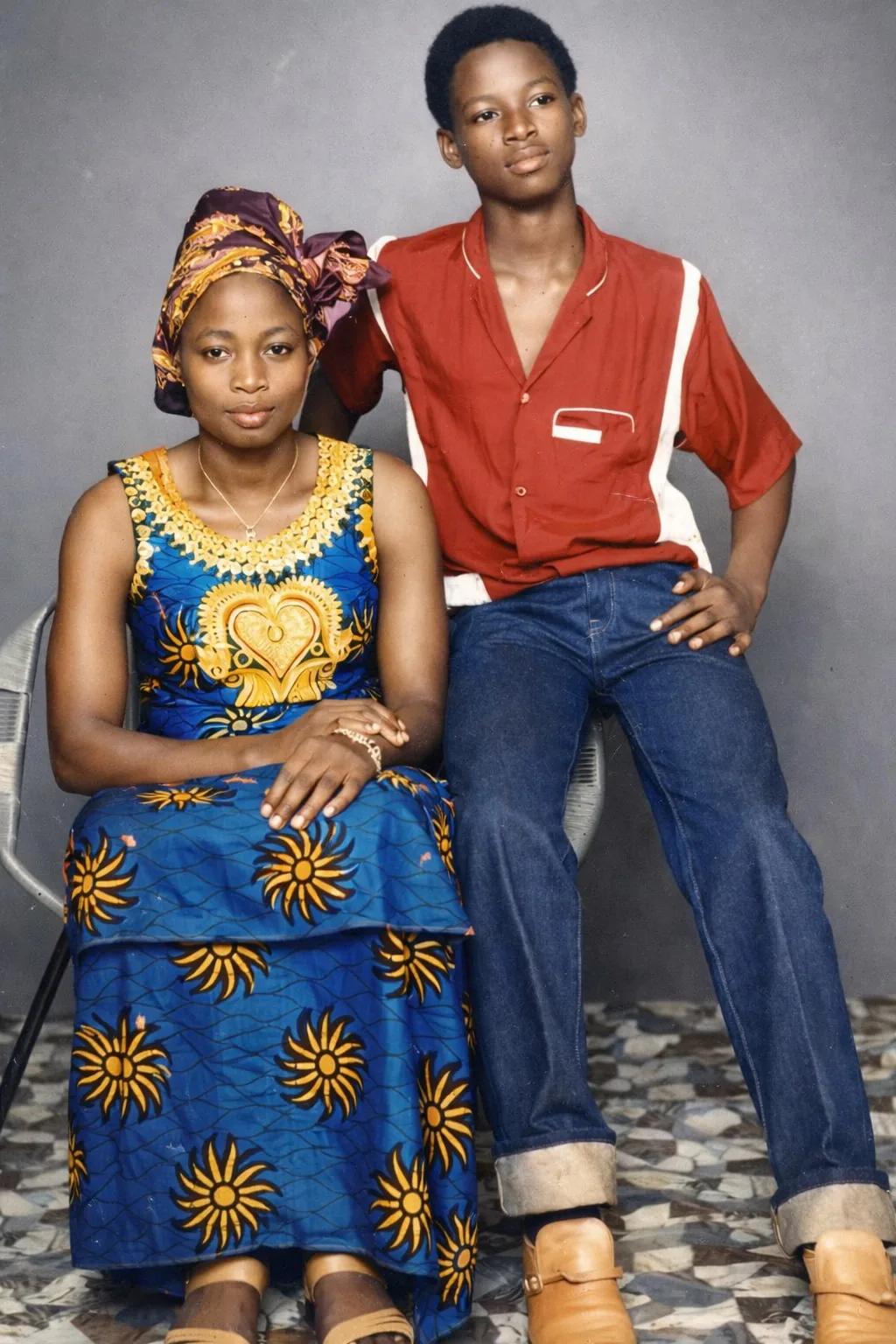
Early in 1980, as Ben was approaching graduation from secondary school, Margaret reasoned that she would not have the financial resources to support him in the university without jeopardising the education of the other children. "You will work for a few years to help support the family, and we will see what happens in the future," she told her son. Ben had already approached Uncle Francis, who seemed to be facing financial challenges, and pleaded with Ben to defer any plans to attend university.
During a routine visit to Chief John Igwesi of Obuoffia, a pivotal event unfolded that altered the fate of the Nwomeh family. Chief Igwesi, a close friend and maternal relative of Peter, had taken on the responsibility of protecting the family after Peter's passing. He facilitated Margaret's employment at the Maternity and served as a paternal figure, offering mentorship to Ben and his siblings. Chief Igwesi supported Margaret in her resolve to educate her daughters. He would later provide the forty naira needed for Ijeoma to enroll in Girls Secondary School, Obe. Every holiday, Ben and Angela, often accompanied by their grandmother Veronica Udeji, faithfully journeyed the four kilometers to Obuoffia to visit Chief Igwesi. However, on this occasion, Ben made the journey alone.
Ben arrived at Chief Igwesi's palace with his latest school grades, continuing their established tradition that consistently brought smiles to the Chief's face. However, when the discussion shifted to Ben's aspirations for further education, the compassionate Chief was shocked to discover Ben's dilemma: he couldn't afford the ten naira needed for the JAMB university entrance exams. Upon hearing Ben's plight, Chief Igwesi, typically mild-mannered, became visibly distressed and promptly provided the necessary funds. "The only task before you, young man, is to pass your exams; leave others to worry about the cost," Chief Igwesi advised the 14-year-old Ben.
Keeping his application to the university a secret from Margaret, fearing her disapproval, Ben confided only in Chief C. D. C. Nwanneche, a relative who was then studying at the University of Lagos (UNILAG) — the very institution Ben dreamed of attending. In a clandestine meeting at Our Lady's High School, Onitsha, CDC assisted Ben in completing the JAMB form and crucially ensured that UNILAG was his first-choice institution.
Meanwhile, unaware that Ben had taken the JAMB exam, Margaret was in hot pursuit of clerical and teaching job opportunities for her son, taking him to every Ministry in the Enugu State government. Fate led them to the office of Dr. Ugwu Nwafor Ujam, who held the position of Head of the Anambra State Civil Service. Upon discovering that Ben was Peter's son, Mr. Ujam grew visibly agitated and reprimanded Ben's mother for her actions, which he believed were hindering Ben's education. Mr. Ujam told her, "Over my dead body would I allow Peter's son to become a clerk." He offered to help Ben get admission to the new Anambra State University of Science and Technology (ASUTECH), which later became Enugu State University of Technology (ESUT). However, Ben showed little interest, as they did not have a course in medicine.
Several weeks later, when news broke that Ben had secured admission to study medicine at the University of Lagos, Margaret confronted the revelation of her son's long-held secret. Faced with a classic Hobson's Choice, she grappled with a dilemma: supporting Ben's university education would inevitably extinguish the hopes of her other children. Nevertheless, could she, in good conscience, obstruct his path to a promising future?
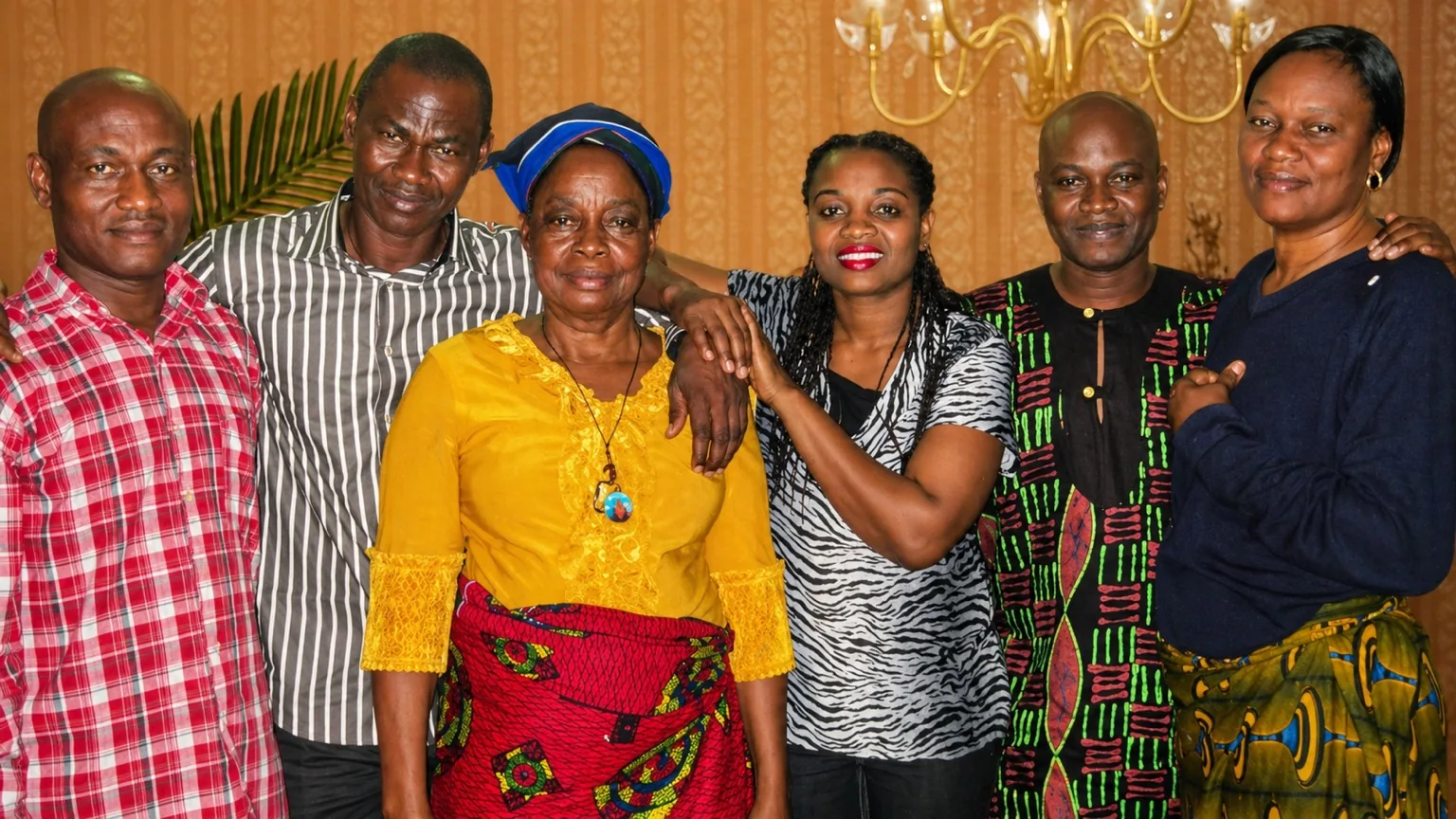
Margaret was in turmoil and trepidation but quickly rebounded into a fighting mode. Her initial apprehension was buoyed by the immense moral support from Peter's relatives and the Ozalla community. One notable measure of this community support was demonstrated when many family friends urged her to join a group known as the Anyidinotu Social Club of Ozalla, one of the two social clubs in the town at the time. These social clubs admitted few women, but an exception had been made for the likes of Margaret. Immediately after she joined, a scholarship facility was extended to her as a member benefit for one thousand naira.
Also, a philanthropist, Igwe Thomas Okeke Egbo, Okpube Igbo 1 of Nara Unateze — then an enterprising businessman — chose this auspicious moment to announce several scholarship awards to students from Nkanu, among whom was Ben. The one thousand naira annual award paid over two years provided crucial support. However, most importantly, Margaret received support from Peter's relatives from the Umunnajinwude ancestral clan, led by Chief Nwachukwu Ekenta and Chief Francis Udeh.
A few months later, Ben left to study medicine at the University of Lagos, accompanied by CDC Nwanneche. Today, all of Peter's five children have received postgraduate degrees.
Since receiving Holy Communion at seven at St. John's Catholic Church in Agbani, Margaret remained a steadfast adherent of her faith. In her youth, she was an active member of the Mary League. Margaret and Peter exchanged vows in the same church, and they maintained their religious convictions throughout the hardships of the war. They credited the family's survival from numerous close encounters with bombings during the conflict to acts of divine intervention and favor upon their household.
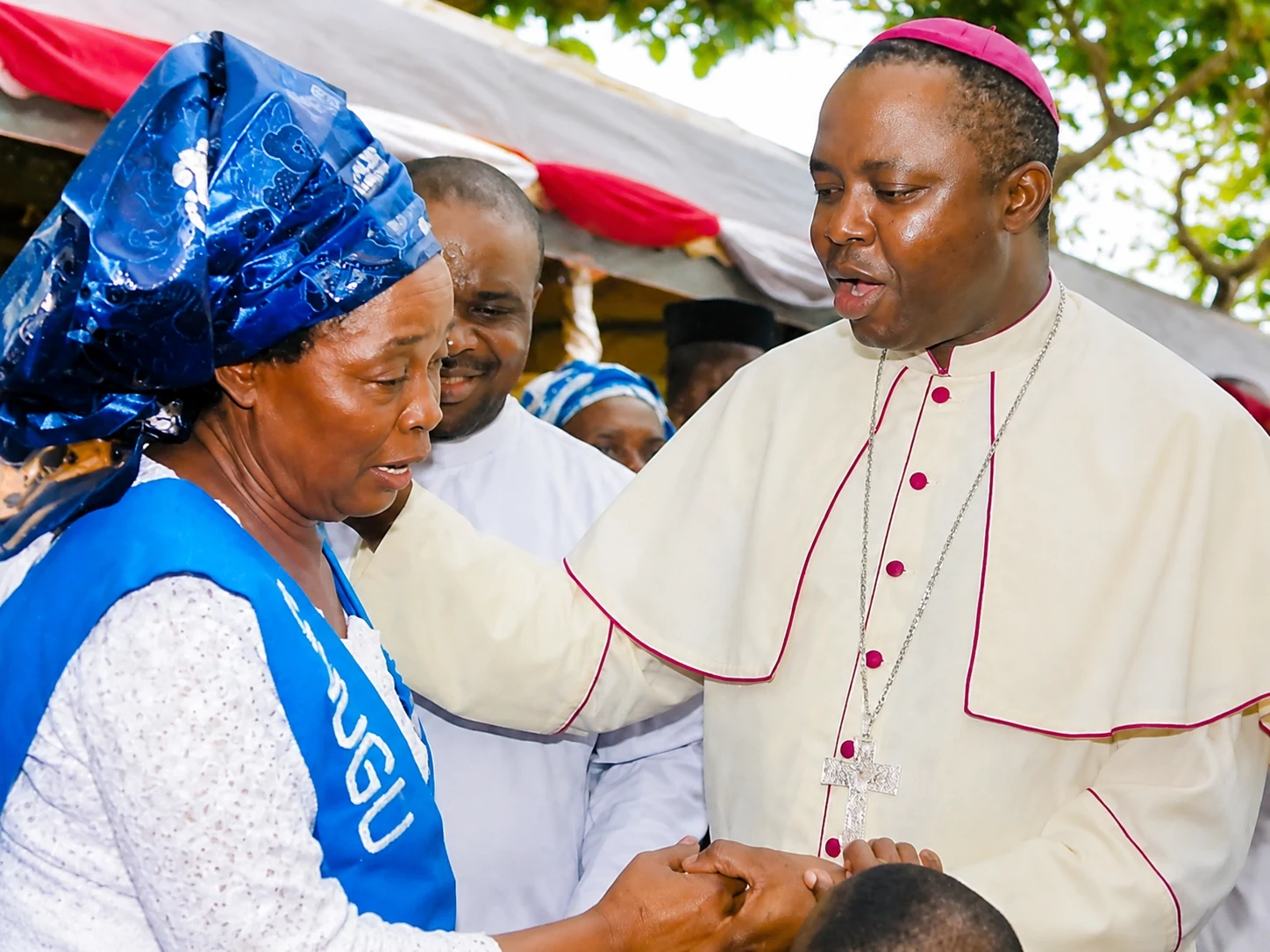
After the war, Margaret briefly resided in Enugu and worshipped at St. Patrick Catholic Church in Coal Camp. Upon returning to Ozalla, the family became deeply rooted in the St. Paul's Catholic Church community. She was a member of several Catholic societies, including the Sacred Heart of Jesus and the Immaculate Heart of Mary. For many years, she actively fulfilled the role of Matron for both the Mary League and the Choir.
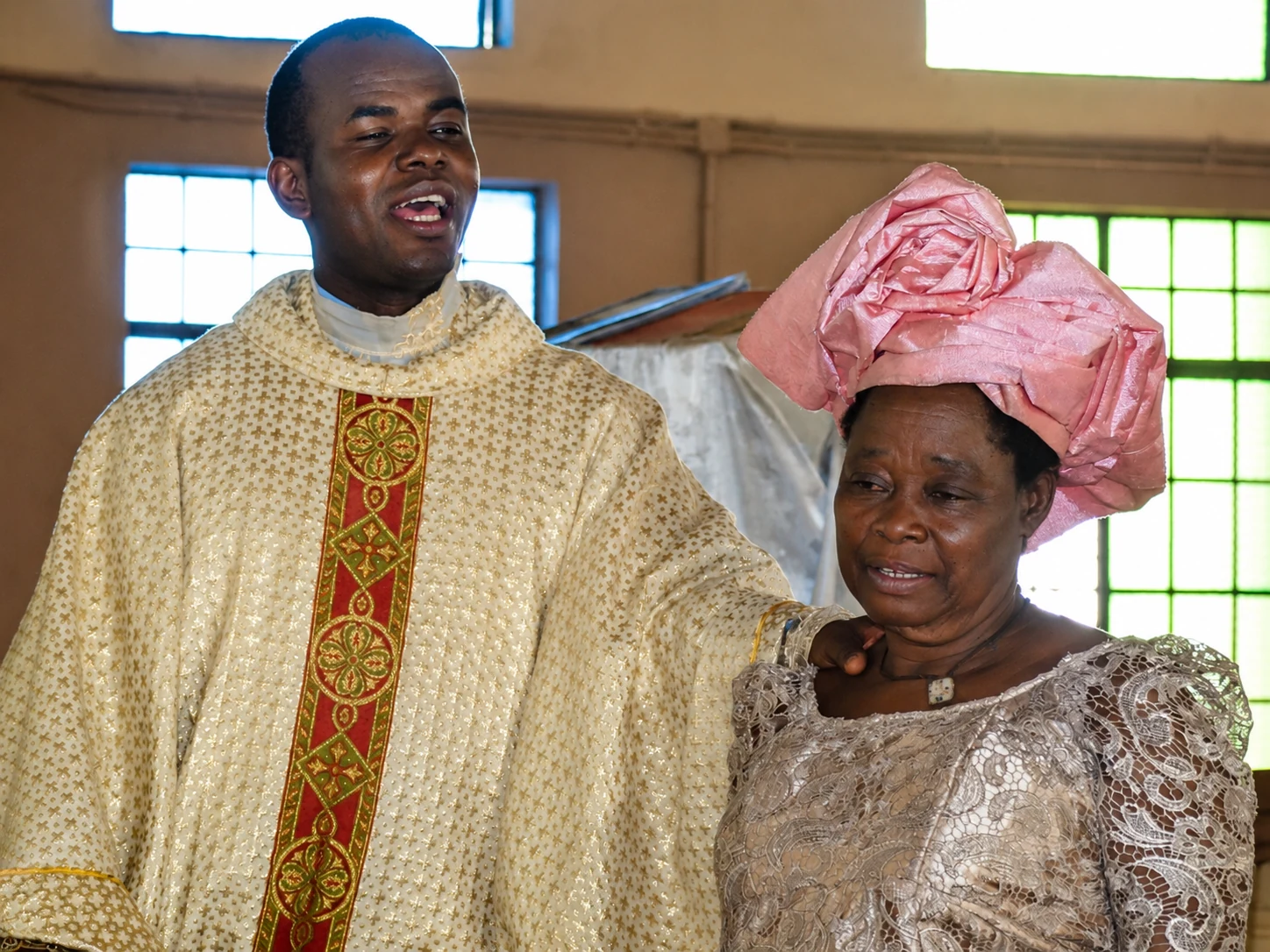
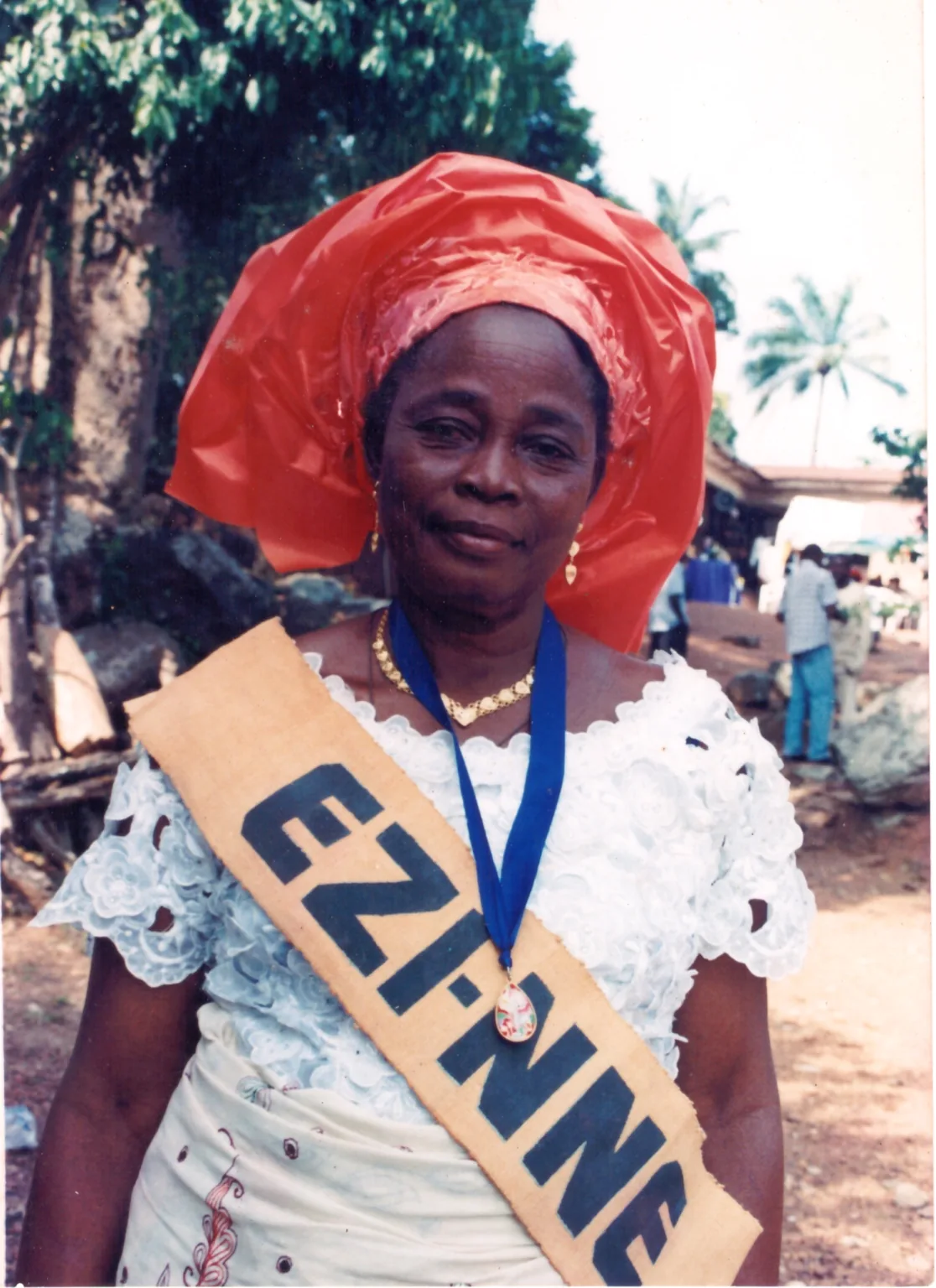
Margaret was also a strong member of the Catholic Women Organization (CWO), and on 9 October 2005, she was honored with the title "Ezinne" (a virtuous mother) at St. Paul's Parish, Ozalla. Subsequently, she received the honour of "Nneora" (a mother of all) at St. John's Parish, Agbani (Agbani Deanery). Margaret also received the Life Member award at the Holy Ghost Cathedral from the Catholic Bishop of Enugu Diocese, His Lordship, Most Rev. Callistus Valentine Onaga.
Regardless of the hurdles and trials Margaret and her children experienced, she consistently turned to prayer. Since its inception in 1985, she embraced the Catholic Prayer Ministry of the Holy Spirit in Elele, River's State, led by Rev. Fr. Emmanuel Edeh, making numerous pilgrimages there. Subsequently, she frequented the Ugwu Di Nso Healing Ministry and Pastoral Center in Eke, overseen by Rev. Monsgr. Ugonna Igboaja. In her later years, her fervent devotion was directed towards the Adoration Ministry led by Rev. Fr. Ejike Camillus Mbaka. Perhaps, her admiration for Fr. Mbaka stemmed from the 1970s, when his uncle, who taught Ben at Central School, Ozalla, resided as a tenant in the Nwomeh compound for an extended period. During those years, young Ejike would visit his uncle, spending school breaks in Four Corners and befriending the Nwomeh children.
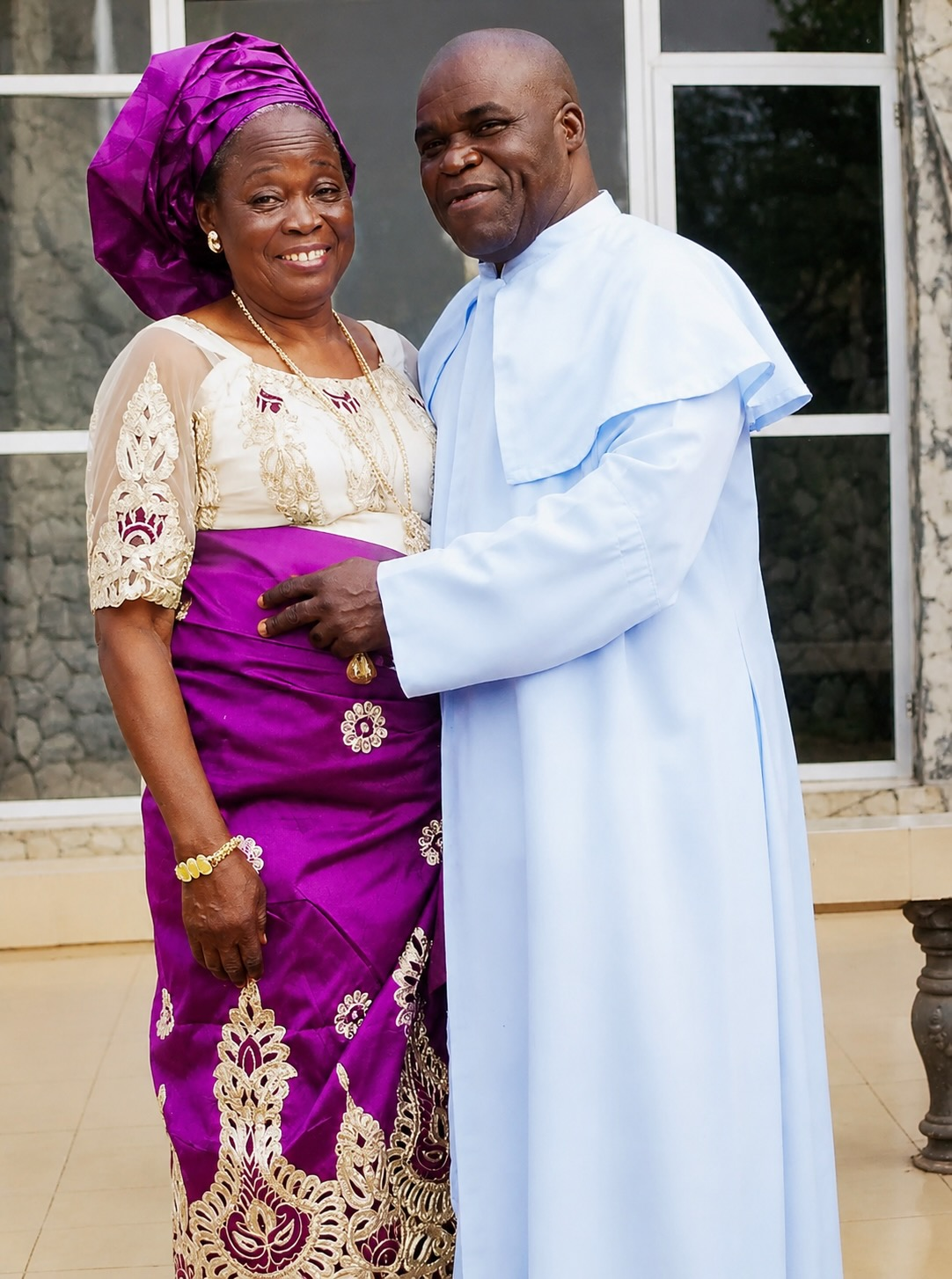
Margaret found immense joy and excitement whenever a priest was ordained from Ozalla. Her bond with Rev. Fr. Professor Anthony Aniagbaoso Igwe, ordained in 2002, was particularly cherished. Margaret proudly called him her son, having delivered him at birth, and he faithfully ministered to her during her illness until her final days. Father Tony offered counsel to the family and remained a constant and unwavering source of support throughout the years.
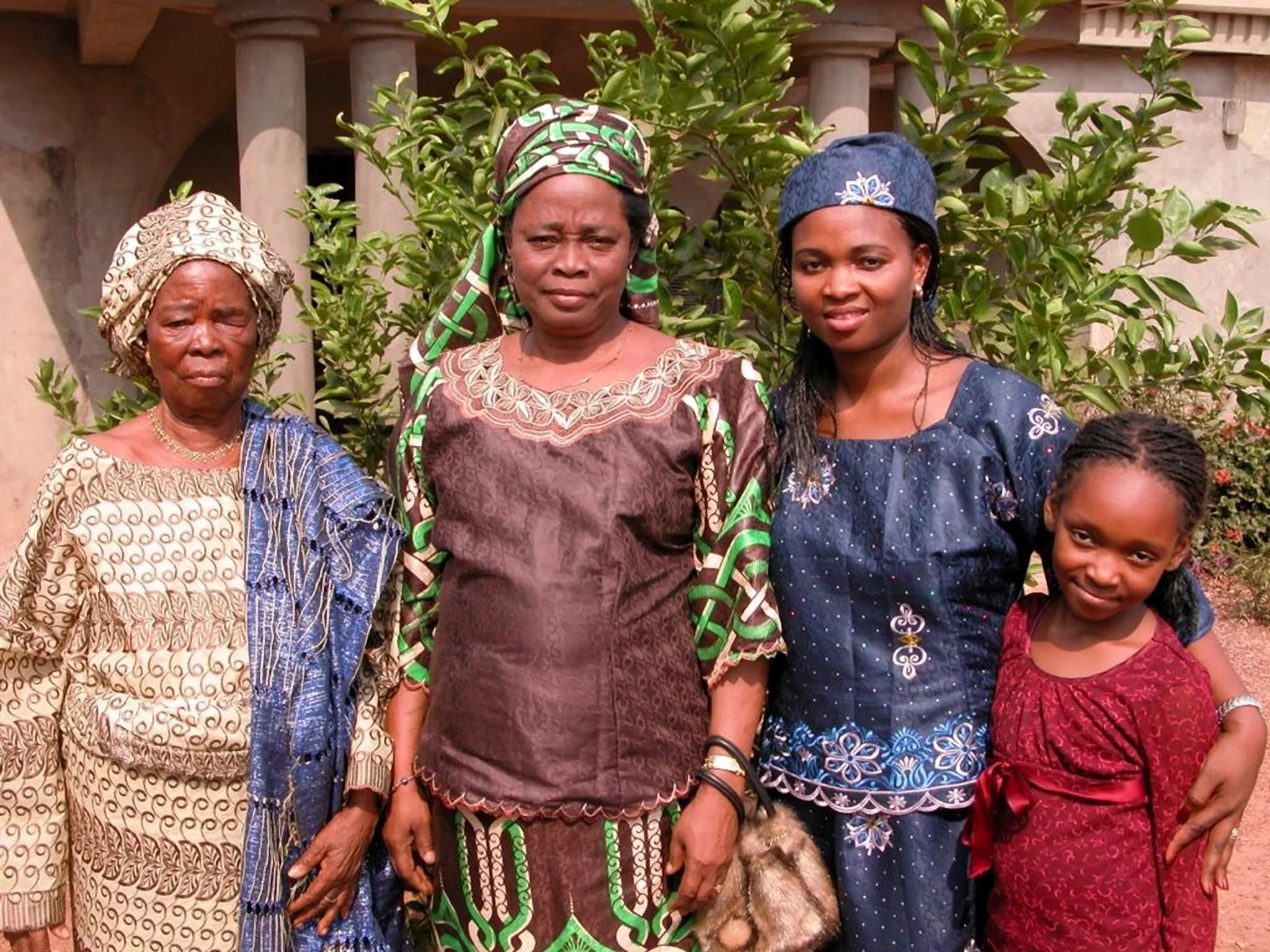
Margaret enjoyed robust health and strength for the majority of her life. Yet, shortly after celebrating her 70th birthday, she suffered a minor stroke. While she managed to recover from this setback, a few years later, a second, more severe stroke rendered her incapacitated until her passing on 25 February 2024. Thankfully, all her children were with her at the time of her transition — a testament to the grace of God.
The Peter Nwomeh Foundation was inaugurated in 2014. Ten years later, when Margaret passed, their children renamed it The Peter and Margaret Nwomeh Foundation in honor of both parents.