Chief Okorienta (Jr.) Nwachukwuowoh — known to all as Okorienta Jr. — was an entrepreneur, community leader, philanthropist, and family patriarch who built something lasting from very little. He arrived in Onitsha as a young man with no contacts and no guarantees, and he left behind, decades later, a record of businesses that employed his kinsmen, a family reunited through his effort, a community he led for twelve uncontested years, and a generation of young people whose education he funded. He was, in the words of those who knew him, an Iroko tree: strong, deeply rooted, and shelter for whoever needed it.
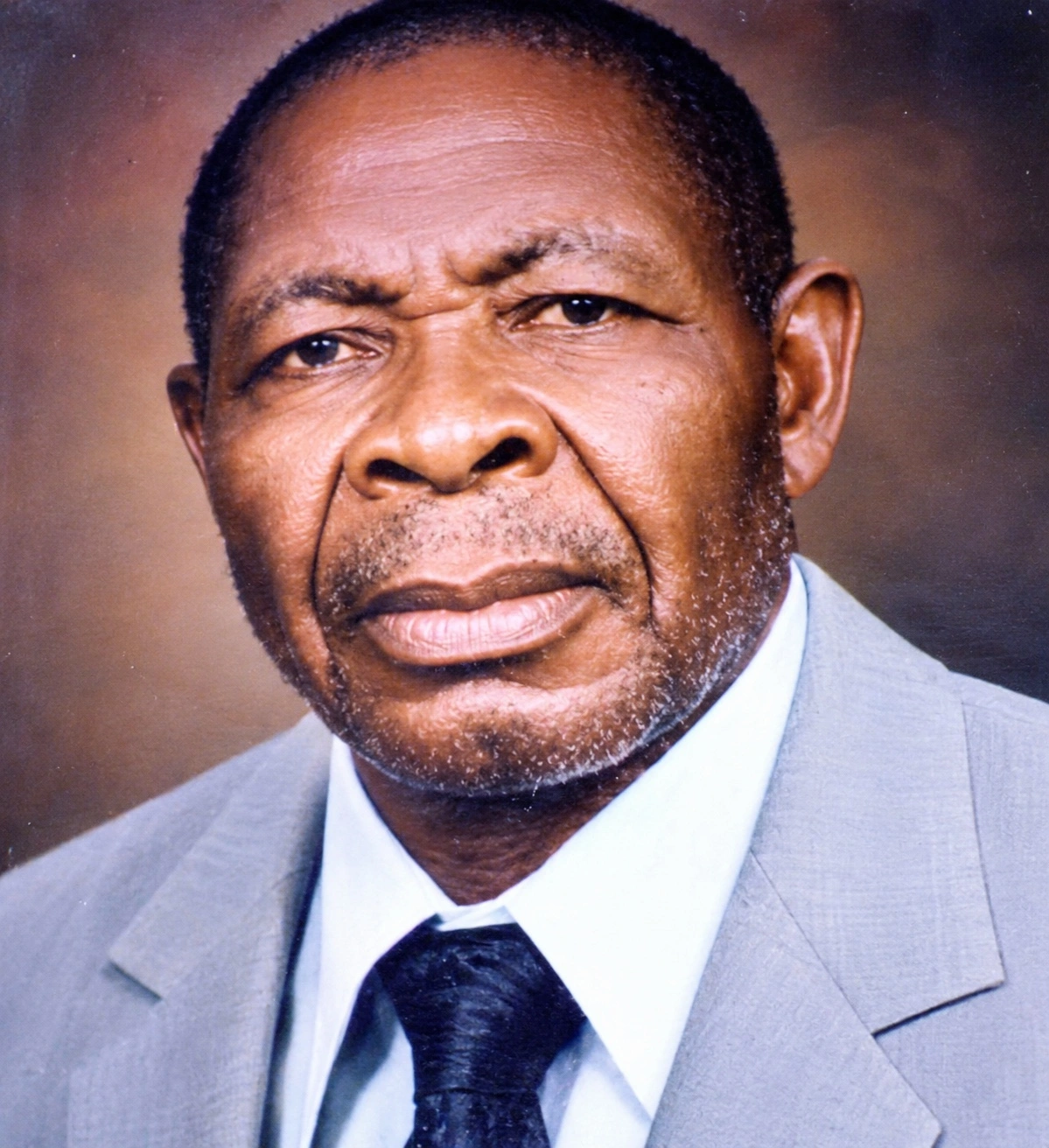
Okorienta Jr. was born in 1912, the second of three sons of Okorie Nwachukwuowoh Sr. and Udeowonish of Umunowo, Umuenenta Village, Obe, in present-day Nkanu West Local Government Area of Enugu State. His father's affection for him ran deep enough that he gave him the title "Junior" — a name that followed him all his life.
His childhood took a difficult turn after his father's second marriage. His mother and her children found themselves increasingly marginalized within the household. Unable to sustain them on her own, she brought her sons to her maternal home in Umuohanie, Ozalla, where they found refuge. When it became clear that their father would not send for them, she rebuilt her life and made a new home there. These early years of displacement and uncertainty forged in Okorienta Jr. a resilience that would carry him through everything that followed.
As a young man, Okorienta Jr. left Ozalla for Onitsha, alone, without family connections or a clear path forward. Before his departure, his maternal uncle cautioned him against a man named Nwaoranwachi, who had a dangerous reputation. Fate had other plans. The first stranger to extend him a helping hand in Onitsha was Nwaoranwachi himself.
He began as a domestic helper, learning the rhythms of city life, before entering the butcher trade under Nwaoranwachi's mentorship. His diligence and honesty distinguished him quickly. What began modestly grew into a substantial enterprise with operations in both Onitsha and Nsukka. His businesses became a point of entry into urban commerce for many people from Obe, Ozalla, and the wider Nkanu community. His peers recognized his standing by electing him Chairman of the Butchers' Association in both cities — positions he held for many years.
Success never caused Okorienta Jr. to forget where he came from. After more than three years away, he returned home with a purpose beyond his own affairs: to heal the fracture that had separated his mother and siblings from their father's compound.
Working through respected elders of the Ikenwobodo kindred — men whose counsel his father trusted — he persuaded his father to reconcile and restore his mother to her rightful place within the family. He succeeded. His father allocated him a parcel of land, and on it he built a home for his mother and siblings, bringing them back to the ancestral compound. It remains one of the defining acts of his life.
“Success never caused Okorienta Jr. to forget where he came from.”
During the Nigerian civil war, 1967–1970, Okorienta Jr. moved his family from Onitsha back to Obe, then to a place called Obodo, somewhere between Obe and Ozalla. As the conflict worsened he relocated them again — this time to a farmland on the outskirts of Umueneta, where he built a tent to shelter them from the fighting.
Despite the very real danger of being killed, he remained in his family home at Umunowo, visiting his family daily on the outskirts of Umueneta. It was an act of quiet, sustained courage — the same kind he had shown his whole life, without fanfare.
Okorienta Jr. became the first Chairman of Umuenenta Village, Obe, serving three consecutive twelve-year terms without opposition. When his tenure ended, he stepped aside voluntarily — believing, as he often said, that leadership should open doors for others, not block them.
He was sought out for counsel by family members, neighbors, and community elders alike. His word carried weight because it was reliably kept. He was known as a man of truth and fairness, and as the steady anchor of his extended family — dependable in good times and indispensable in difficult ones.
Okorienta Jr. never had the opportunity to pursue formal schooling. He understood exactly what that cost, and he was determined that no one within his reach would face the same constraint without a fight.
He never pressed his children toward business. He pressed them toward education, and the results bore him out: many graduated from universities, others earned postgraduate and professional degrees. His investment in their futures was total and without condition.
His commitment extended beyond his own household. He sponsored young people from the wider community whose academic ambitions were threatened by financial hardship. Among those who benefited were the late Barrister Samuel Oguh, who became a lawyer and senior police officer, and the late Gabriel Nnaji, who rose to Deputy Accountant General of Enugu State. Through these investments, Okorienta Jr. multiplied his impact well beyond what any single business could have achieved.
“Although denied formal schooling himself, he understood the power of education to transform lives.”
Those who knew Okorienta Jr. describe a man of generosity and genuine humility — one who never forgot the people who helped him, and who treated everyone with the same dignity regardless of their circumstances. He believed in honesty, hard work, and personal responsibility, and he lived those values visibly enough that the people around him absorbed them.
He died in 1986, having lived through displacement and reunion, poverty and success, obscurity and community-wide esteem. His story is one of perseverance — but also of deliberate generosity: a man who rose and, in rising, pulled others up. His legacy endures in the families he supported, the students he educated, the community he led, and the generations who carry his example forward.
Awarded annually to undergraduates from Obe, Nkanu West LGA, Enugu State. Each award covers tuition and a stipend, and continues until graduation, contingent on academic standing.